
Blog
Practical operations guides for independent restaurant owners.

Employee Acknowledgement Tracking Software
What employee acknowledgement tracking software should do for a restaurant, why a confirmation isn't understanding, and how to follow up on updates.
October 5, 2026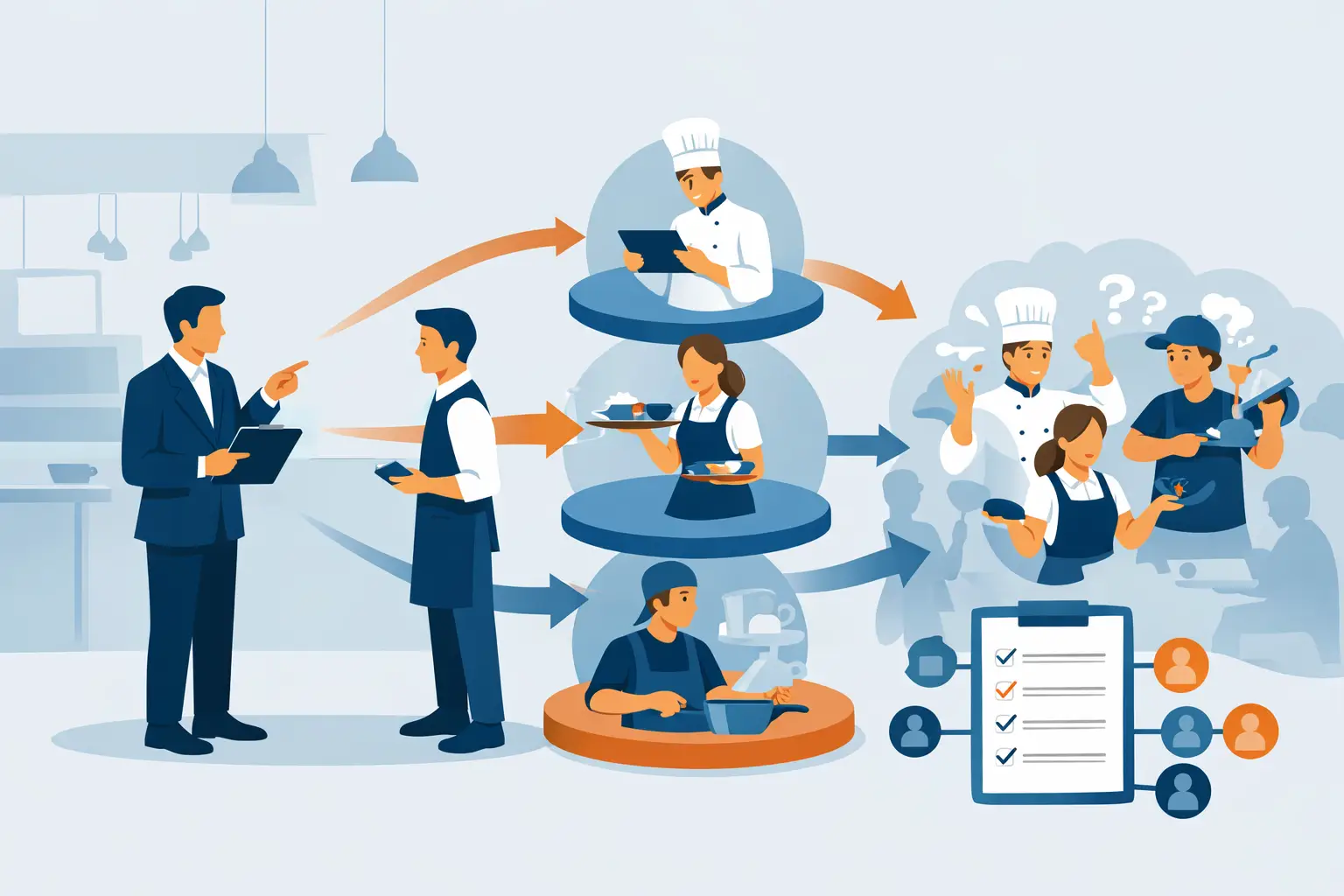
Restaurant Task Assignment: Why It Doesn't Scale
Verbal task delegation breaks down past a single shift — no named owner, no deadline, no completion signal. Learn what a task assignment actually needs, and how Dinezy's Checklist module assigns, tracks, and reviews individual items.
October 5, 2026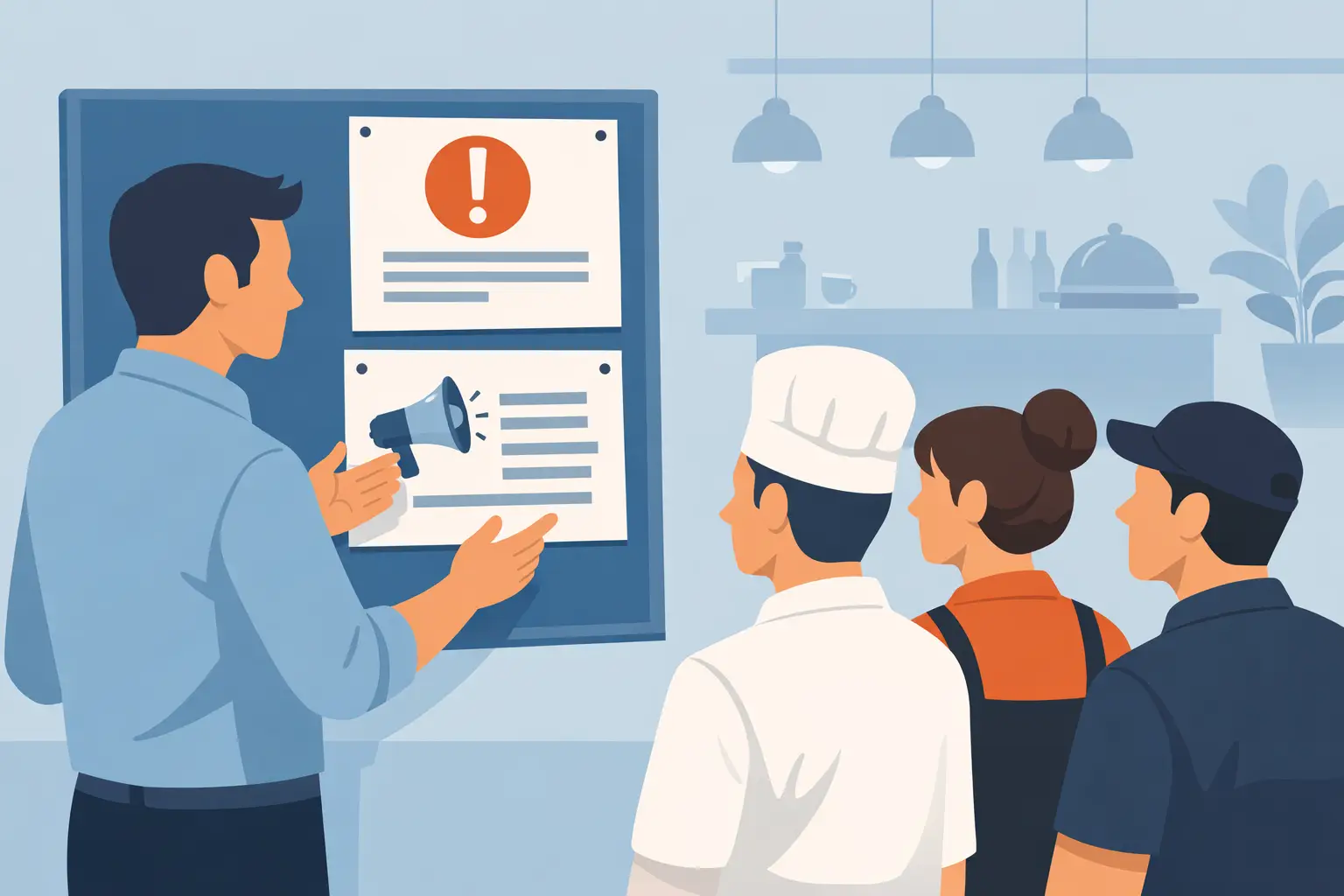
How to Get Restaurant Staff to Read Announcements
Why restaurant announcements get ignored, what actually gets them read, and what a restaurant staff communication app should do that a group chat can't.
October 5, 2026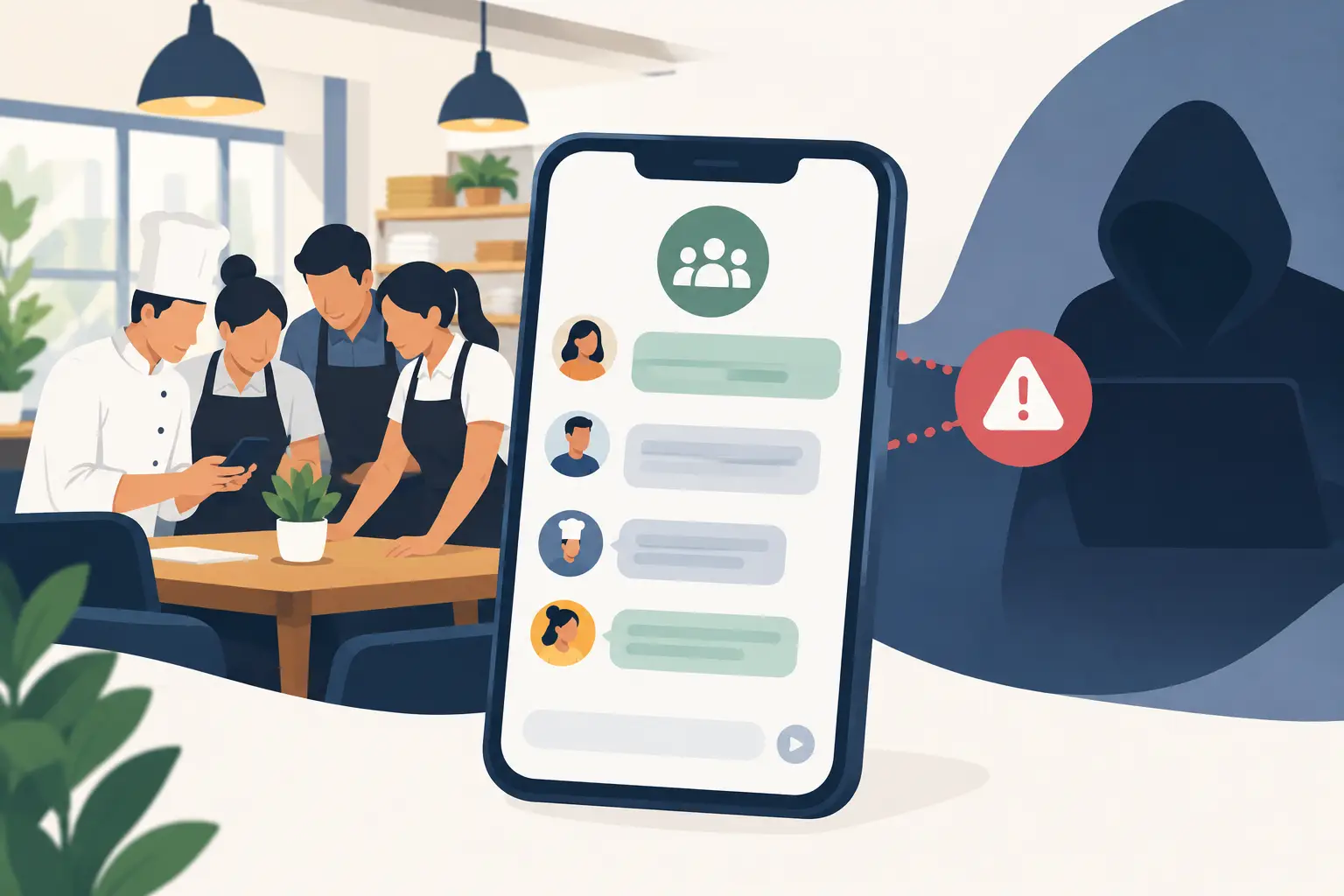
Restaurant Group Chats: The Hidden Risk
Restaurant group chats bury the messages that matter. The three hidden risks, and how to give important updates a place where staff actually see them.
October 5, 2026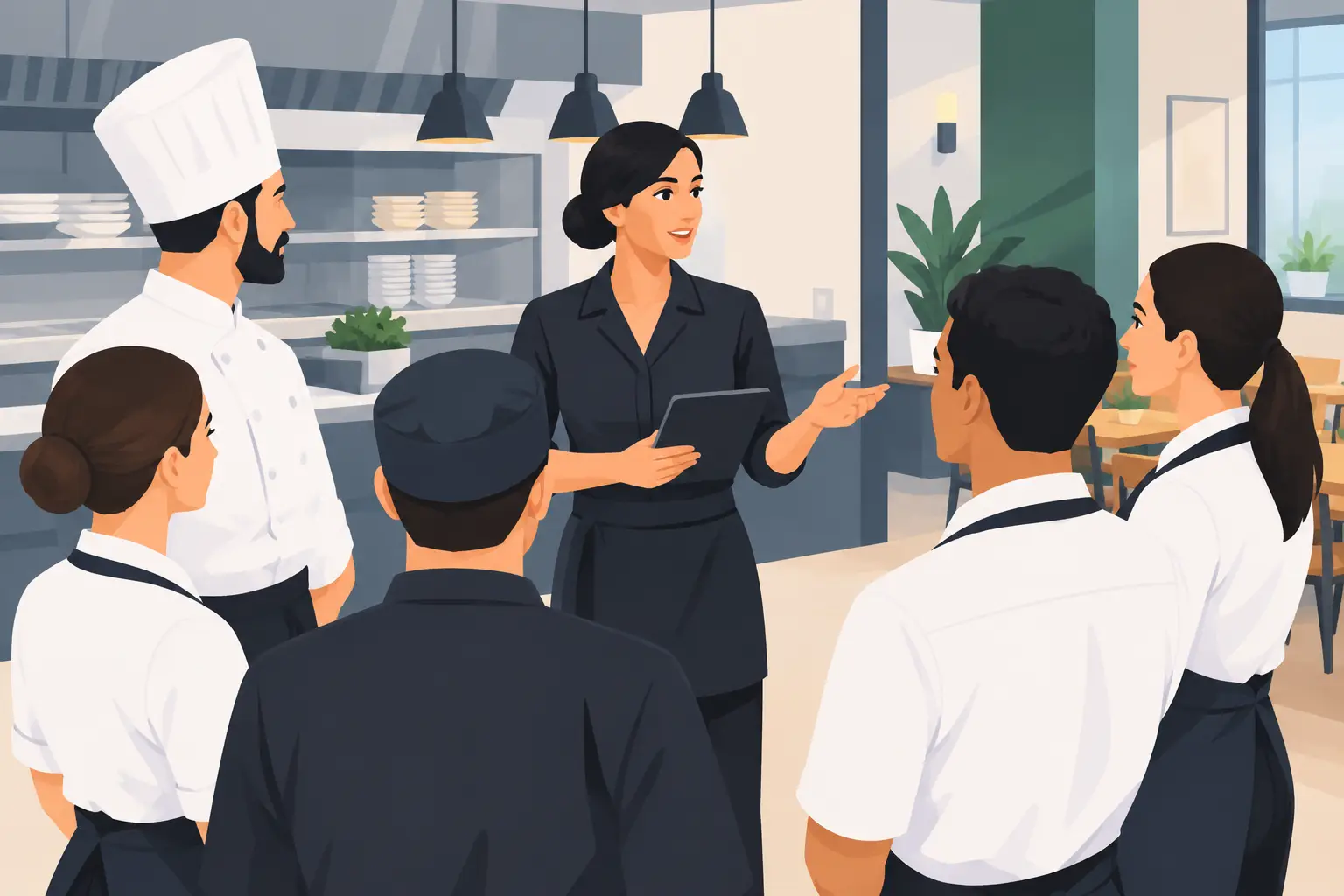
Restaurant Pre-Shift Meeting: What to Cover
What to cover in a restaurant pre-shift meeting, a simple agenda template, and how to get the same information to the staff who missed it.
October 5, 2026
Restaurant Task Tracking: Keep Work Moving
How to track restaurant tasks that span shifts: one target, one running total, and a clear view of what's done and what's left for the next shift.
October 5, 2026
20 Restaurant Employee Survey Questions
20 restaurant employee survey questions on workload, training, management, and team decisions, plus when to use quick votes and open-ended questions.
October 5, 2026
How to Train Restaurant Staff on a New Menu
A step-by-step plan for new menu training: what to cover, how to run tastings, and how to know every staff member is ready before launch.
October 5, 2026
25 Restaurant Staff Announcement Examples
25 short restaurant staff announcement examples for menu changes, equipment issues, schedules, policies, and team events, ready to copy and adapt.
October 5, 2026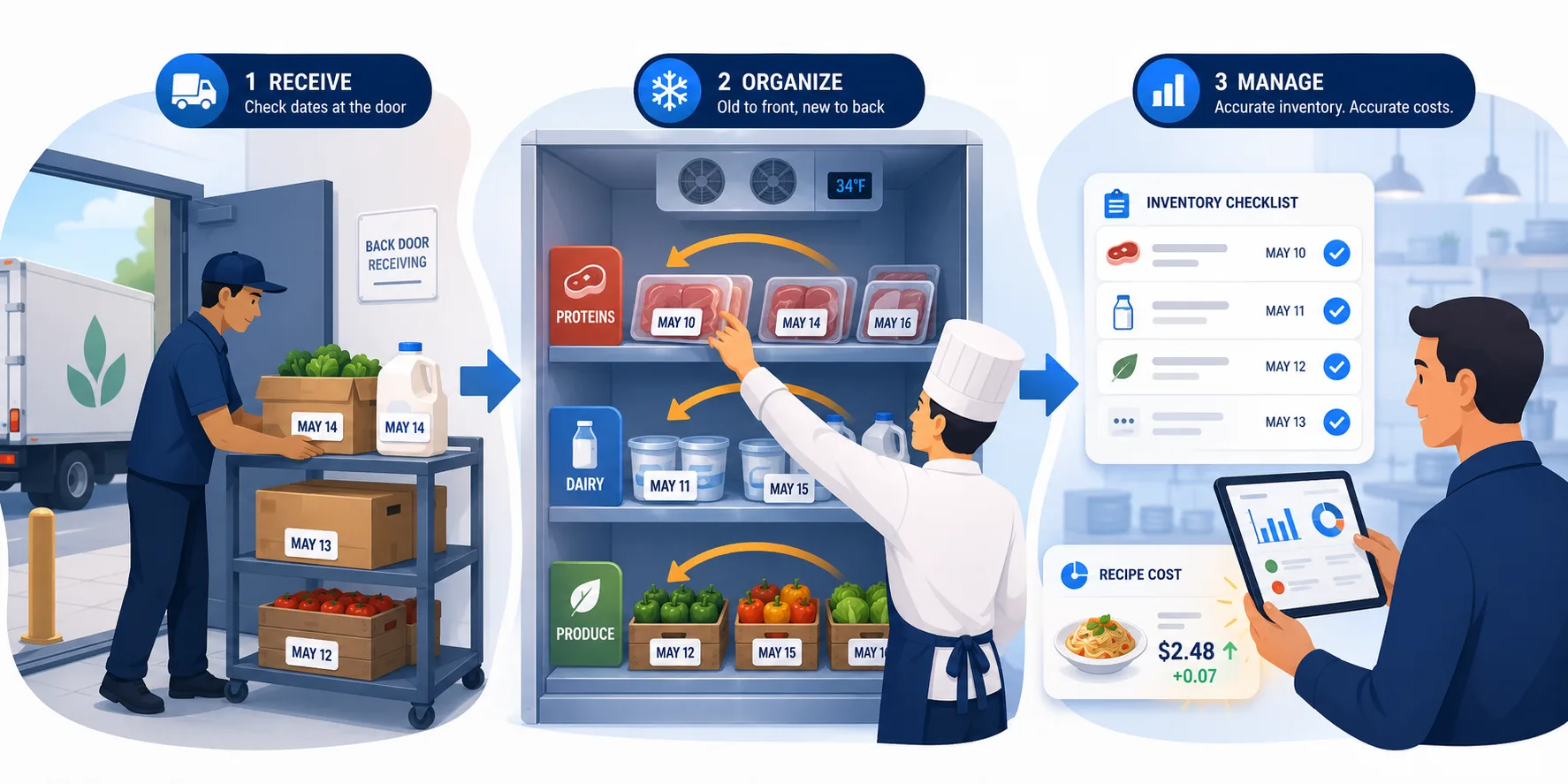
FIFO in Food Service: Meaning and How to Restock
What FIFO (First In, First Out) means in food service, how to use it to restock a walk-in and dry storage, and how it affects your inventory value.
September 30, 2026How to Calculate Recipe Cost for Your Restaurant
Recipe cost is the actual dollar amount to produce one serving — not a percentage estimate. Learn the step-by-step formula, waste factor, and a worked example with a brown sugar milk tea.
September 30, 2026How to Price Baked Goods: The Full Cost Formula
Most bakeries forget labor and overhead when pricing. Learn the four-component cost formula with a worked croissant example — total cost $5.14, minimum price $8–9 — and how to raise prices without losing regulars.
September 30, 2026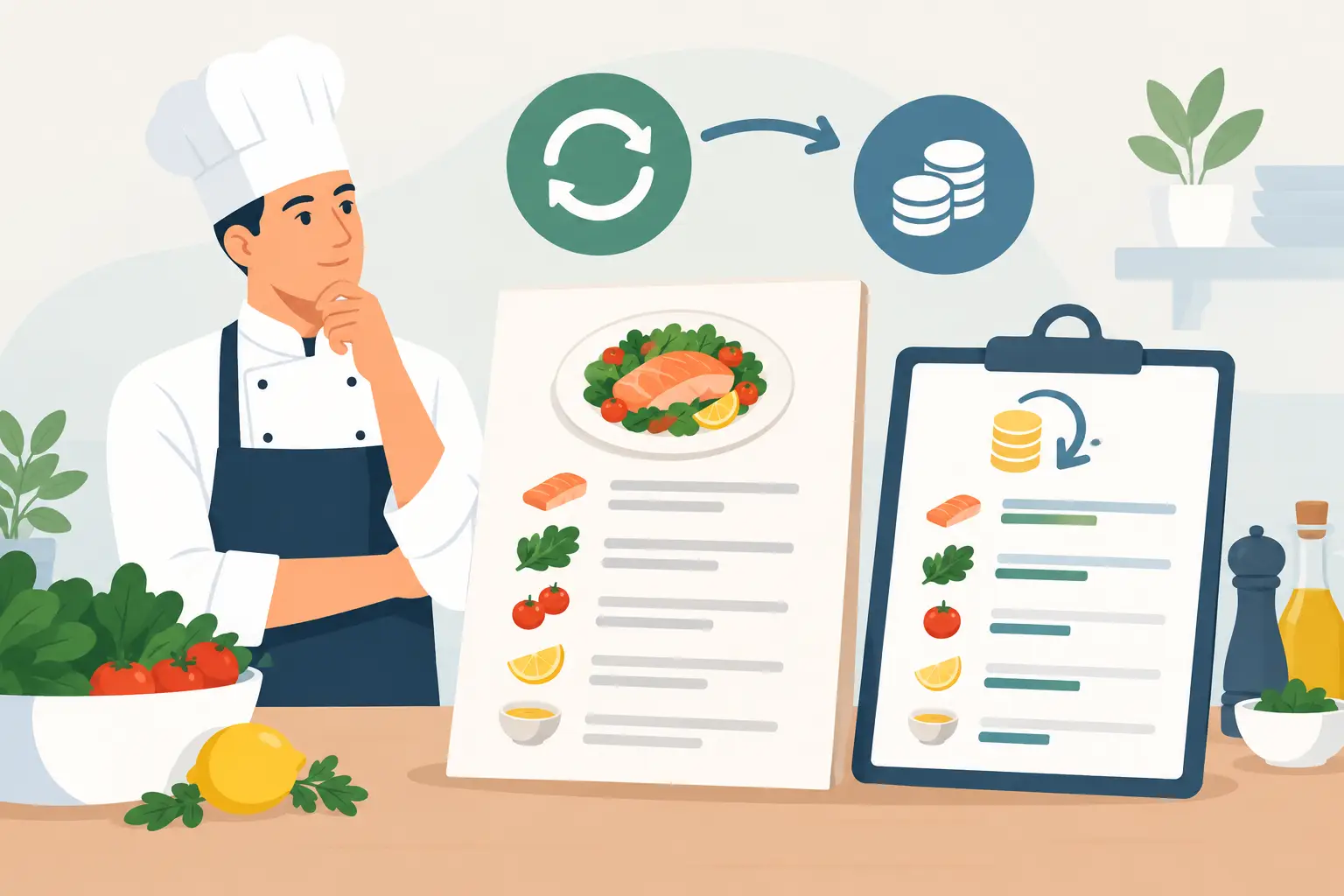
What Is a Recipe Update? When to Update and Recost
A recipe update changes what goes into a dish or how it's made; a recost recalculates what it costs. Learn what triggers each, and when to leave both alone.
September 30, 2026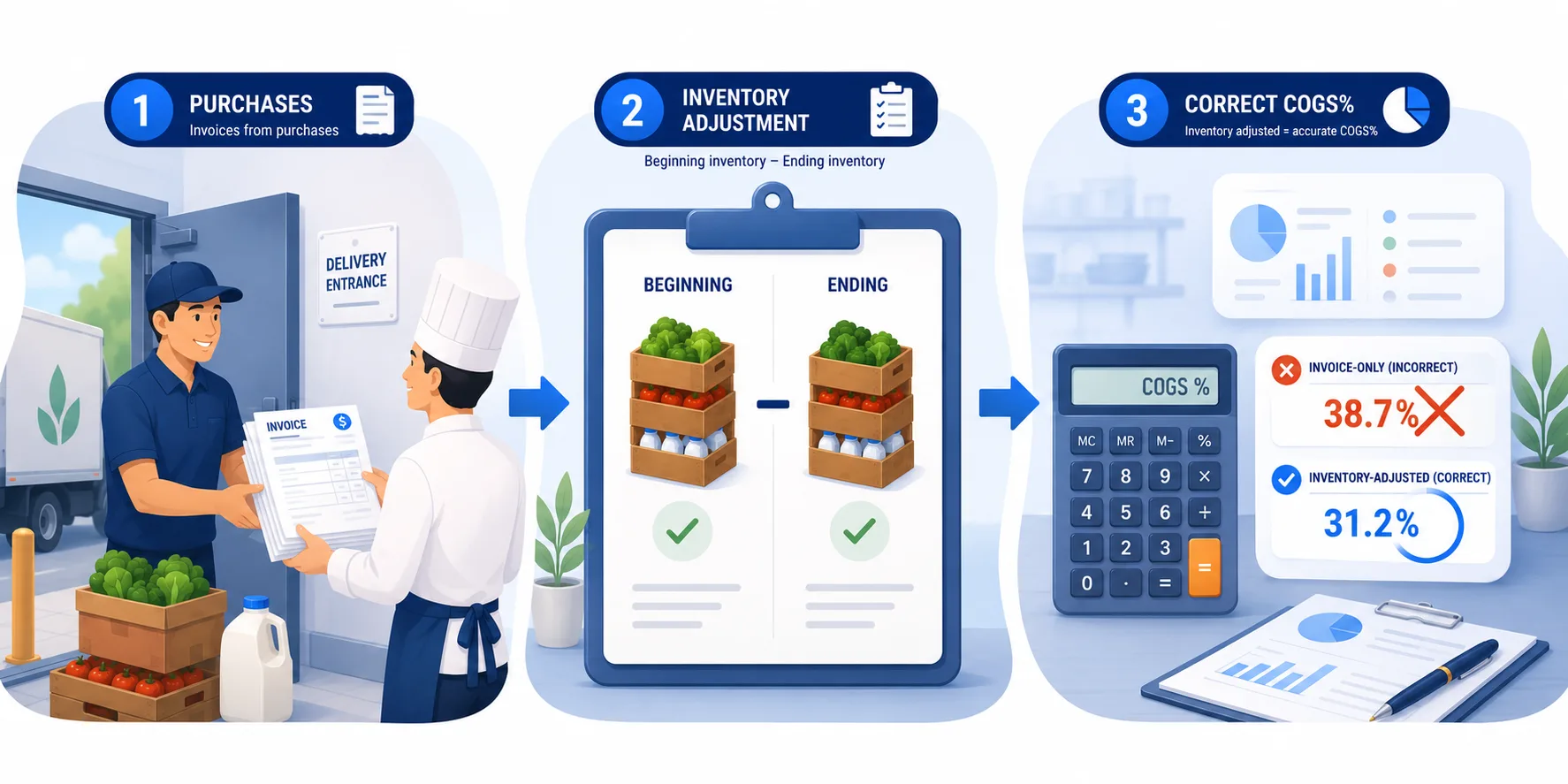
How to Calculate Restaurant Food Cost Percentage
Most restaurants calculate food cost wrong by using invoice totals instead of actual consumption. Learn the correct inventory-adjusted formula, why the inputs are harder to get than the math, and what to do when your number is too high.
September 19, 2026How to Manage Food Cost in an Independent Restaurant (When You're Running on Gut Feel)
Most independent restaurant operators manage food cost by feel — and it costs them. Learn why accurate food cost tracking requires a system, not just discipline, and what Dinezy automates for you.
September 19, 2026Restaurant Inventory Management Software
Spreadsheets, POS add-ons, or dedicated software? A practical guide for independent restaurant owners on what inventory software does and when to make the switch.
September 19, 2026Restaurant Inventory: Spreadsheet vs. Software
Spreadsheets feel free but 5 hours a week of manual tracking adds up to $6,500 a year in labor. An honest breakdown of when spreadsheets work and when software pays for itself.
September 19, 2026Restaurant Food Cost & Menu Profitability Guide
Food cost percentage is the entry point, not the whole system. A guide connecting the formula, prime cost, menu-item profitability, concept-specific benchmarks, and the supplier-side inputs that move all of it.
September 19, 2026How to Calculate Prime Cost for Your Restaurant
Prime cost — food cost plus labor — is the most important number in your P&L. Learn the formula, benchmark targets under 65%, and how to diagnose what is driving it high.
September 19, 2026How to Price Menu Items at a Small Restaurant
Most small restaurants underprice because they only count ingredient cost. Here is the complete formula — with overhead, waste buffer, and a worked example — for profitable menu pricing.
September 19, 2026How to Scale Recipes for Your Restaurant Without Losing Consistency
Scaling recipes incorrectly causes food cost variance and inconsistent quality. Learn the conversion factor method, where scaling breaks down (baking, spices), and how to test before committing.
September 19, 2026What's a Good Food Cost Percentage for a Boba Shop?
Boba shop food cost typically runs 20–30%, lower than full-service restaurants. Learn why, see a full cost breakdown for a brown sugar milk tea, and find out what pushes your number too high.
September 19, 2026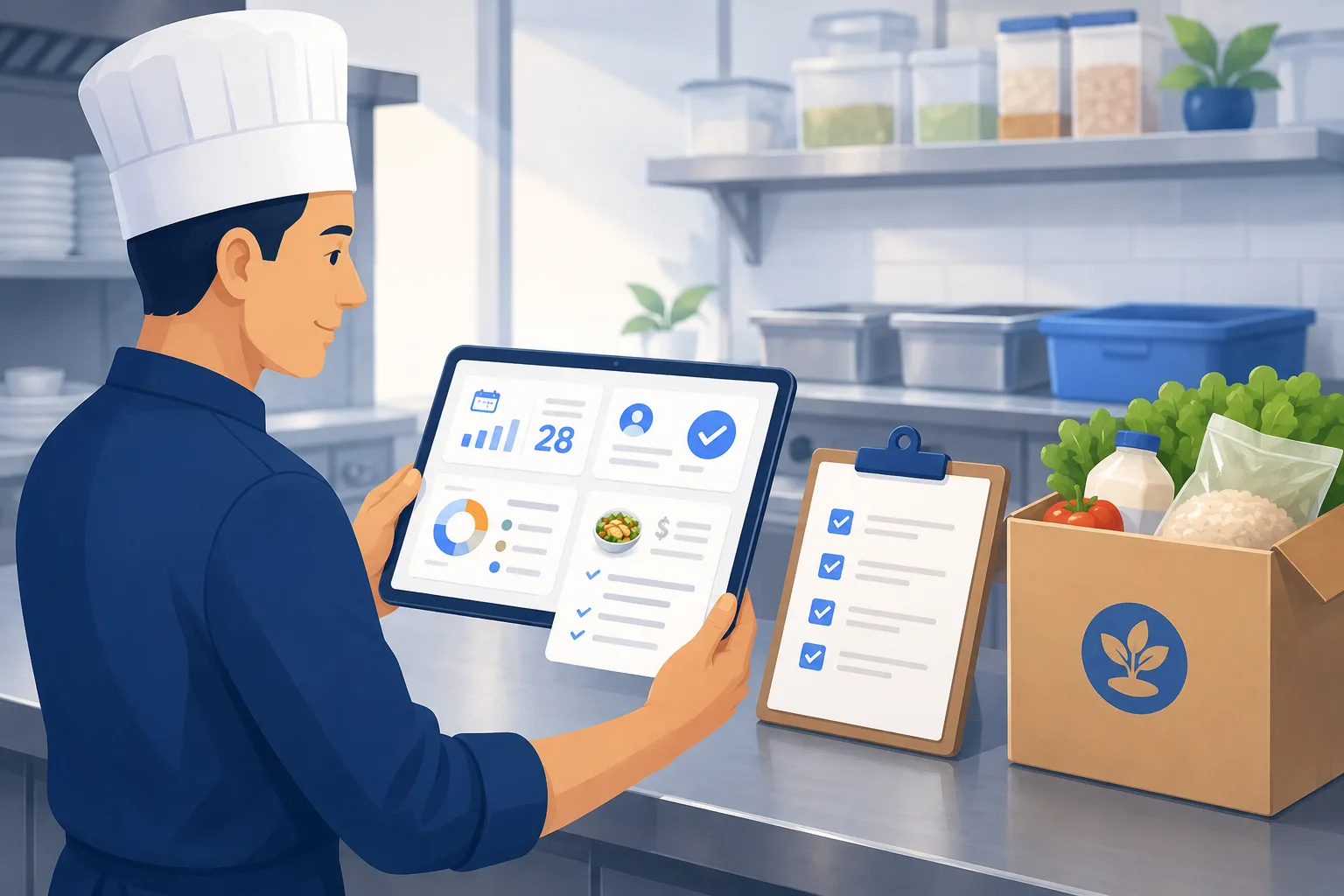
POS Systems Run Your Orders. They Don't Run Your Restaurant.
A POS system processes transactions — it was never built to track food cost or team execution. Why a restaurant sale doesn't map to ingredient consumption the way a retail sale maps to a fixed parts list, and what an operations system needs to cover instead.
September 19, 2026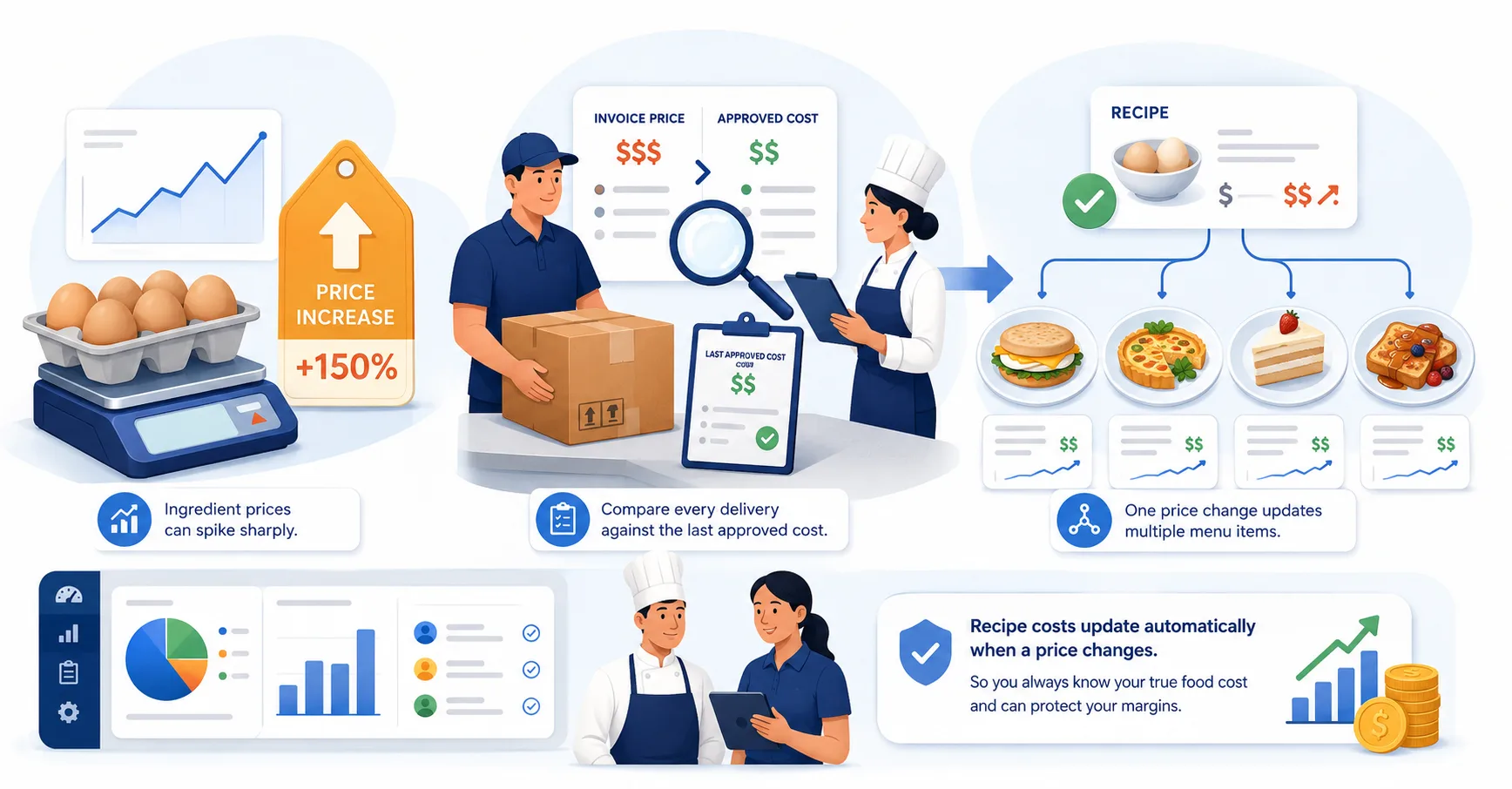
Restaurant Food Inflation: How to Protect Margin When Ingredient Prices Spike
The 2023 and 2025 egg price shocks show how fast a single ingredient can move. Build a three-part response system — catch the change at receiving, recost affected recipes immediately, and choose a deliberate response — before the gap compounds.
September 19, 2026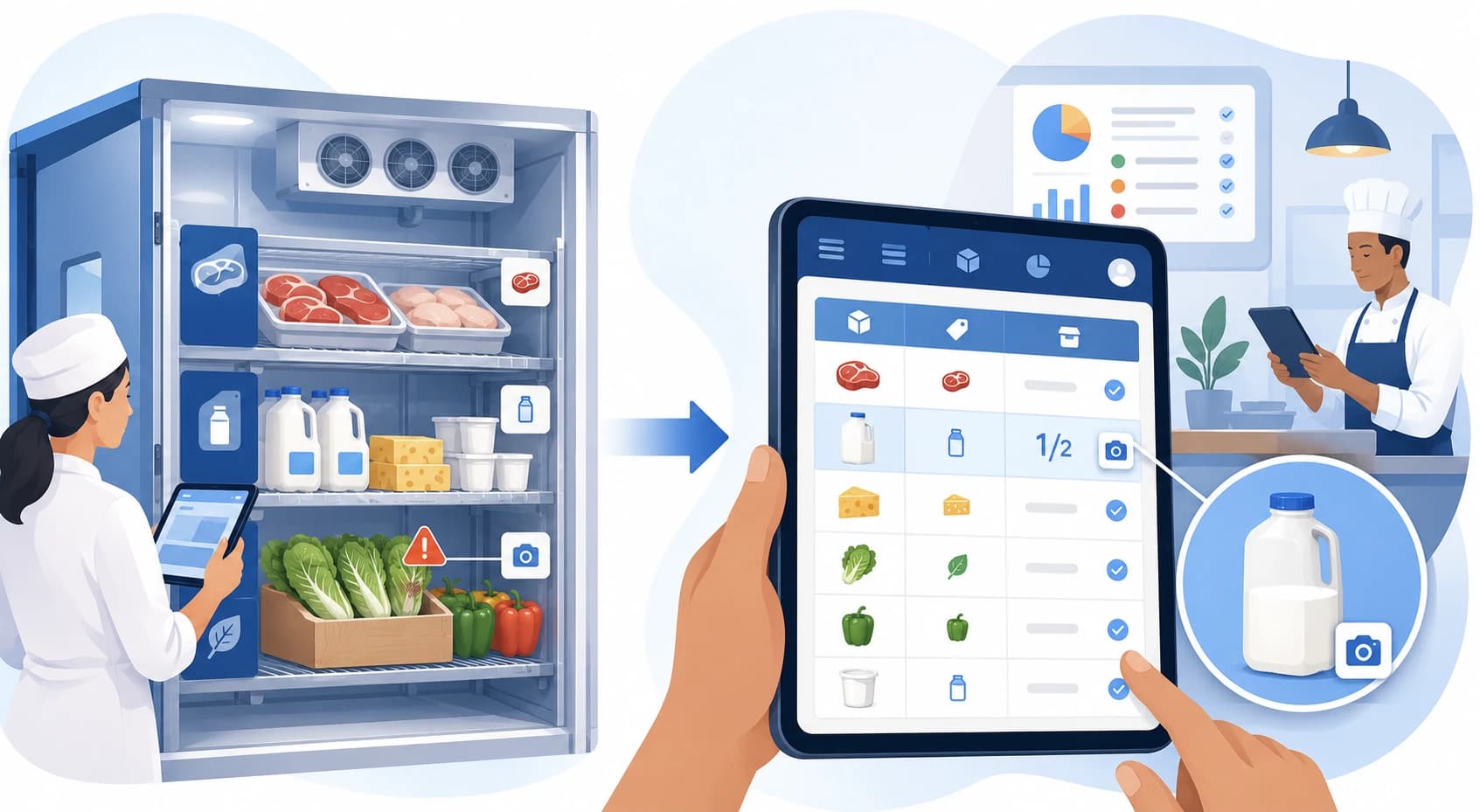
A Restaurant Inventory Count Example
A worked example walk-in cooler count, item by item — showing the fixed unit, current cost, and structure that make a count comparable week to week, not just a list of numbers.
September 19, 2026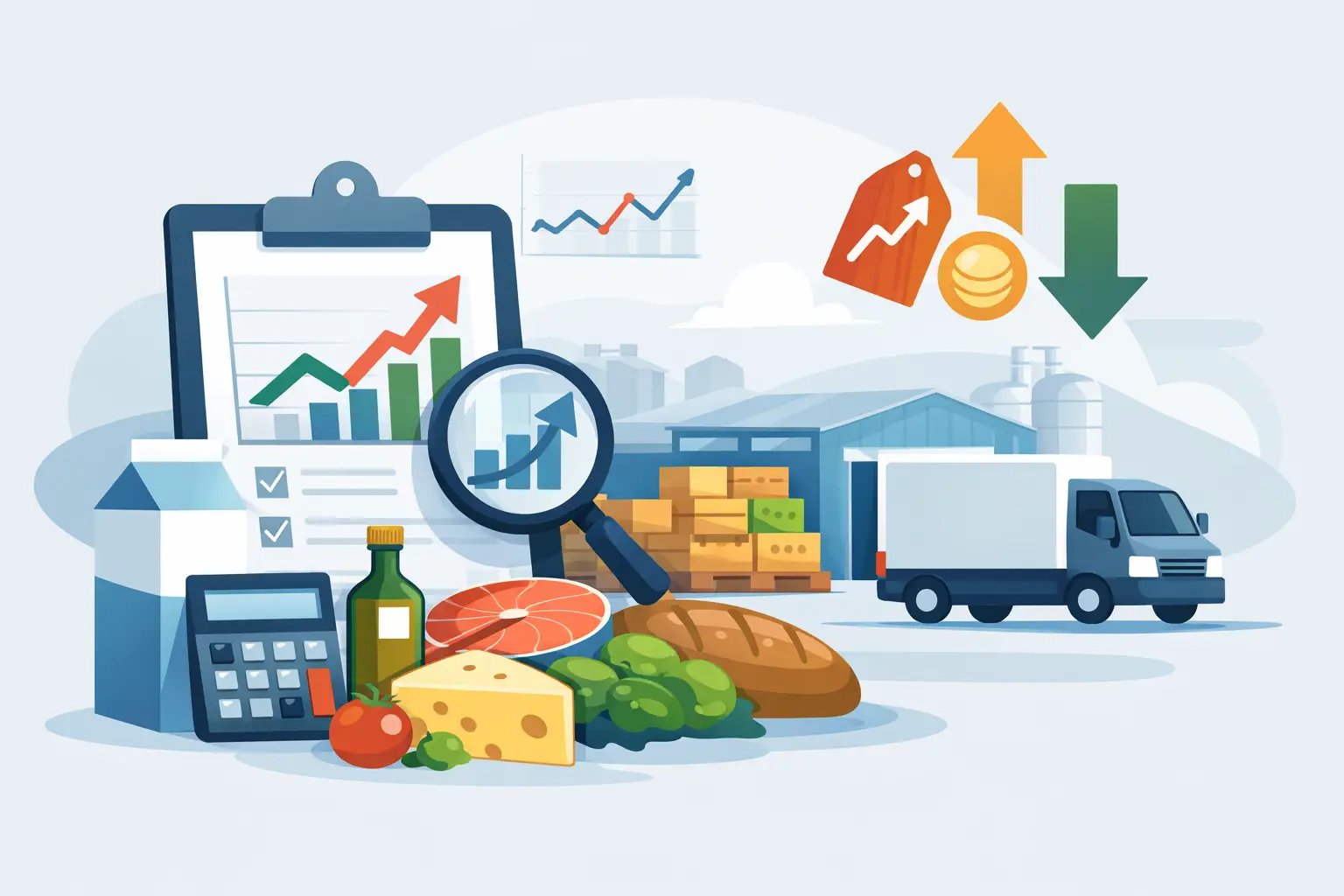
How to Track Food Supplier Price Changes
A supplier price increase that stays buried in an invoice folder can put every recipe using that ingredient at the wrong margin. Learn how to build one record per item, set thresholds that trigger action, and connect price changes to recipe cost and inventory counts.
September 19, 2026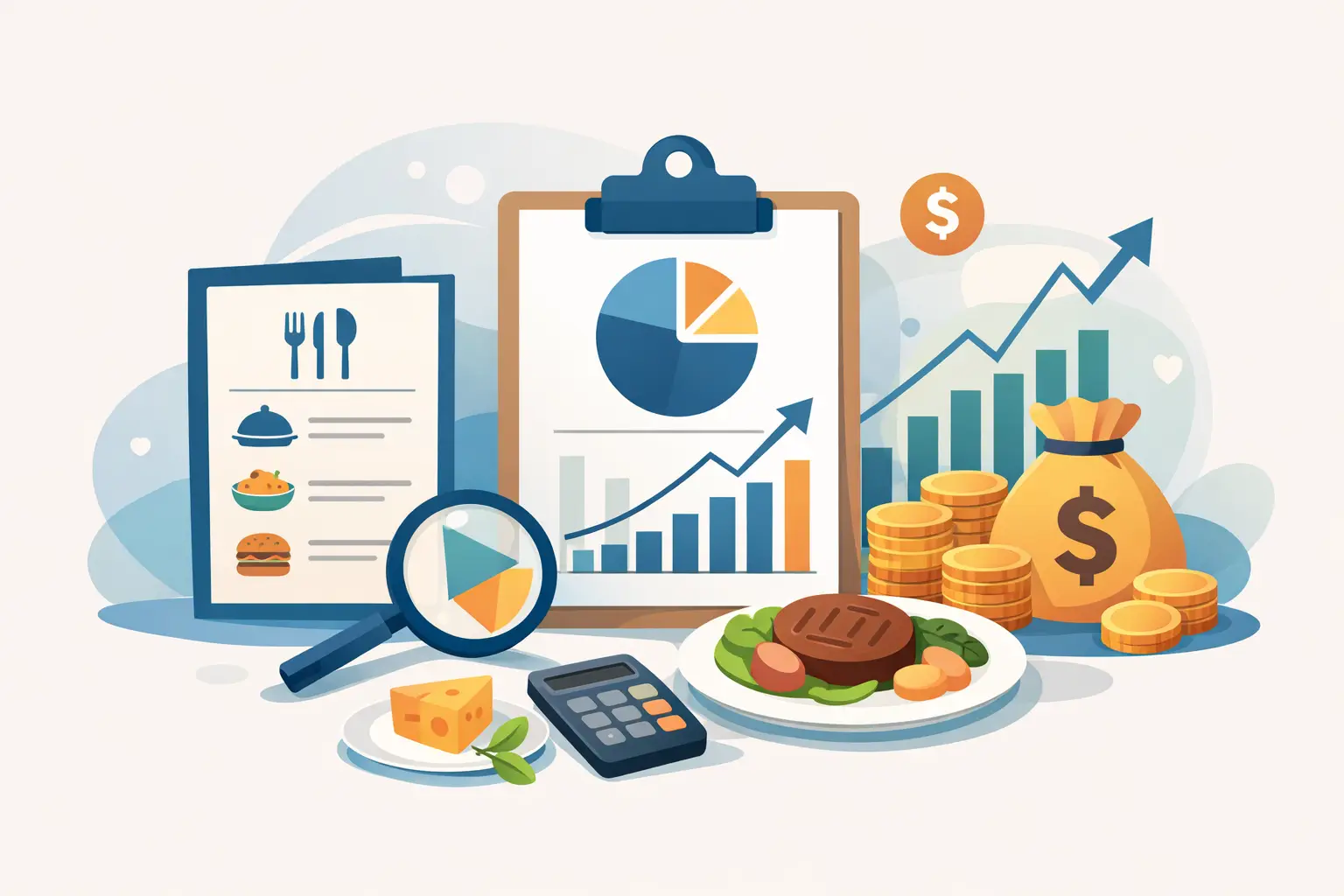
How to Calculate Menu Item Profitability
A bestseller can still be quietly losing money. Learn the ingredient-cost-per-portion formula, how to separate contribution margin from food cost percentage, and how to validate theoretical cost against what actually happens on the line.
September 19, 2026
Recipe Costing Software for Restaurant Control
Reliable recipe costing depends on accurate units, yield, portions, and current purchase prices — not just data entry. Learn why spreadsheets stop working as operations grow, and what recipe costing software needs to calculate.
September 19, 2026
What Automatic Inventory Deduction Requires
Automatic inventory deduction sounds appealing, but it requires deep POS integration most independent restaurants cannot build or maintain. Learn what it actually takes, why most restaurants run on count-based systems instead, and when it is worth building.
September 19, 2026
Restaurant Low Stock Alerts That Prevent Stockouts
A low-stock alert is only useful if the team trusts it. Learn how to set thresholds based on reorder reality, make every alert actionable, and keep counts, receiving, and costs connected so alerts do not become background noise.
September 19, 2026
A Restaurant Food Cost Calculator That Protects Margins
A precise-looking food cost percentage can still hide stale supplier prices and unrecorded waste. Learn what a real food cost calculator must track — current ingredient costs, yields, and theoretical-vs-actual variance — to turn the number into a daily operating system.
September 19, 2026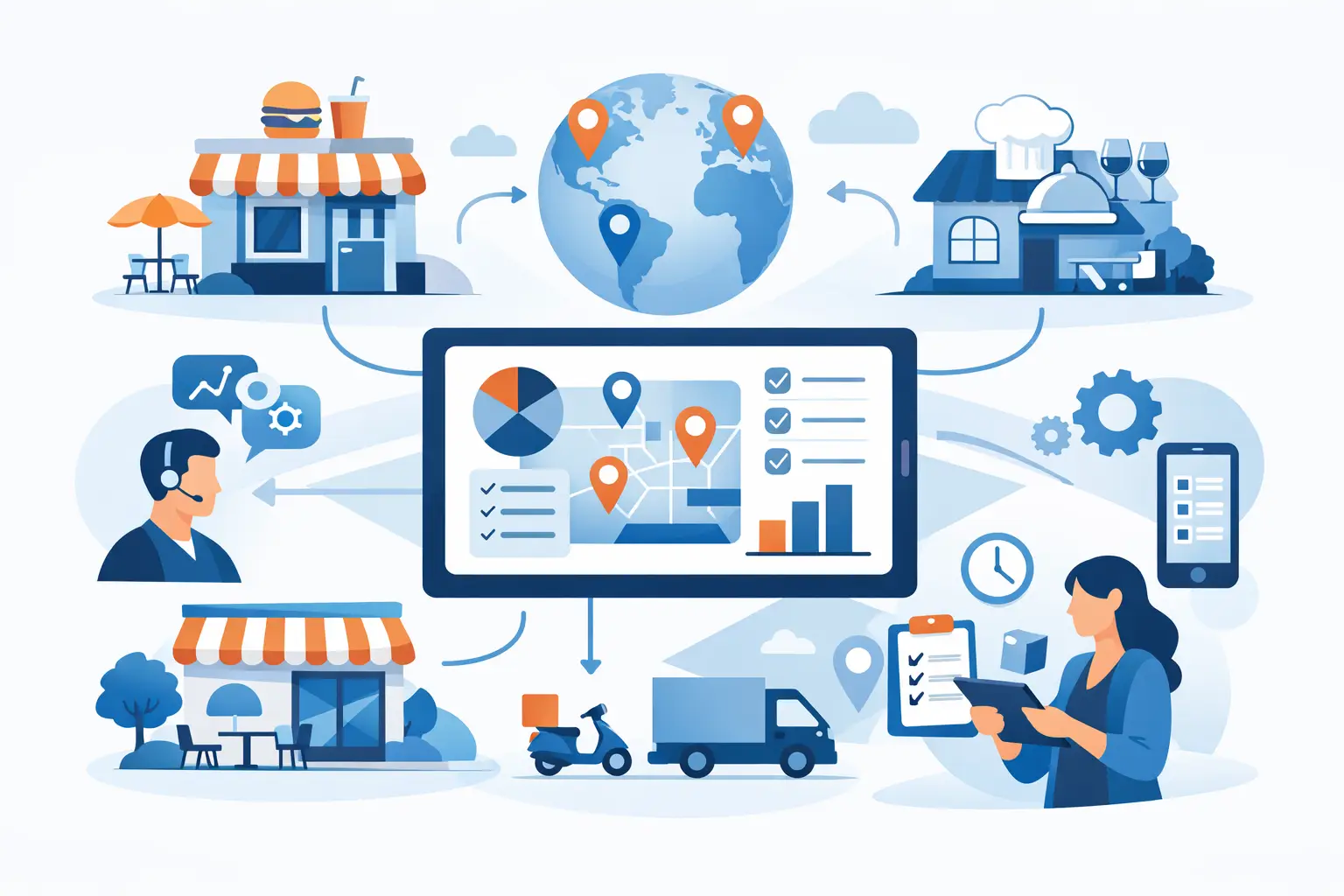
Multi-Location Restaurant Management Software
A second location adds another count, another prep team, and another chance for a small process failure to spread. Learn what multi-location restaurant management software should control and how to evaluate it against real operational failures.
September 19, 2026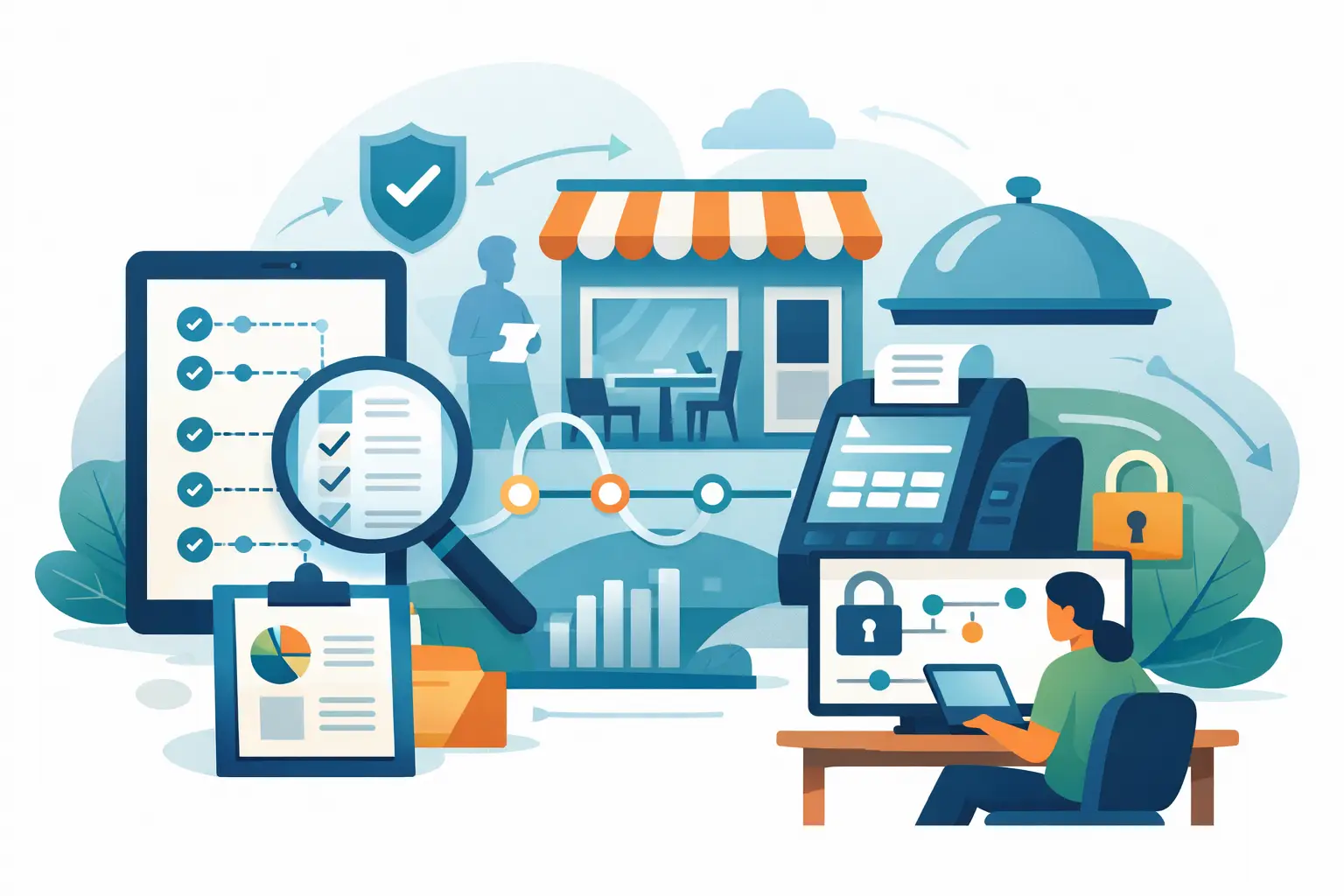
Restaurant Audit Trail Software That Holds Up
A folder full of spreadsheets is not an audit trail. Learn what a real audit trail should prove, the records that matter most — count approval, supplier cost changes, SOP activity — and how to evaluate restaurant audit trail software.
September 19, 2026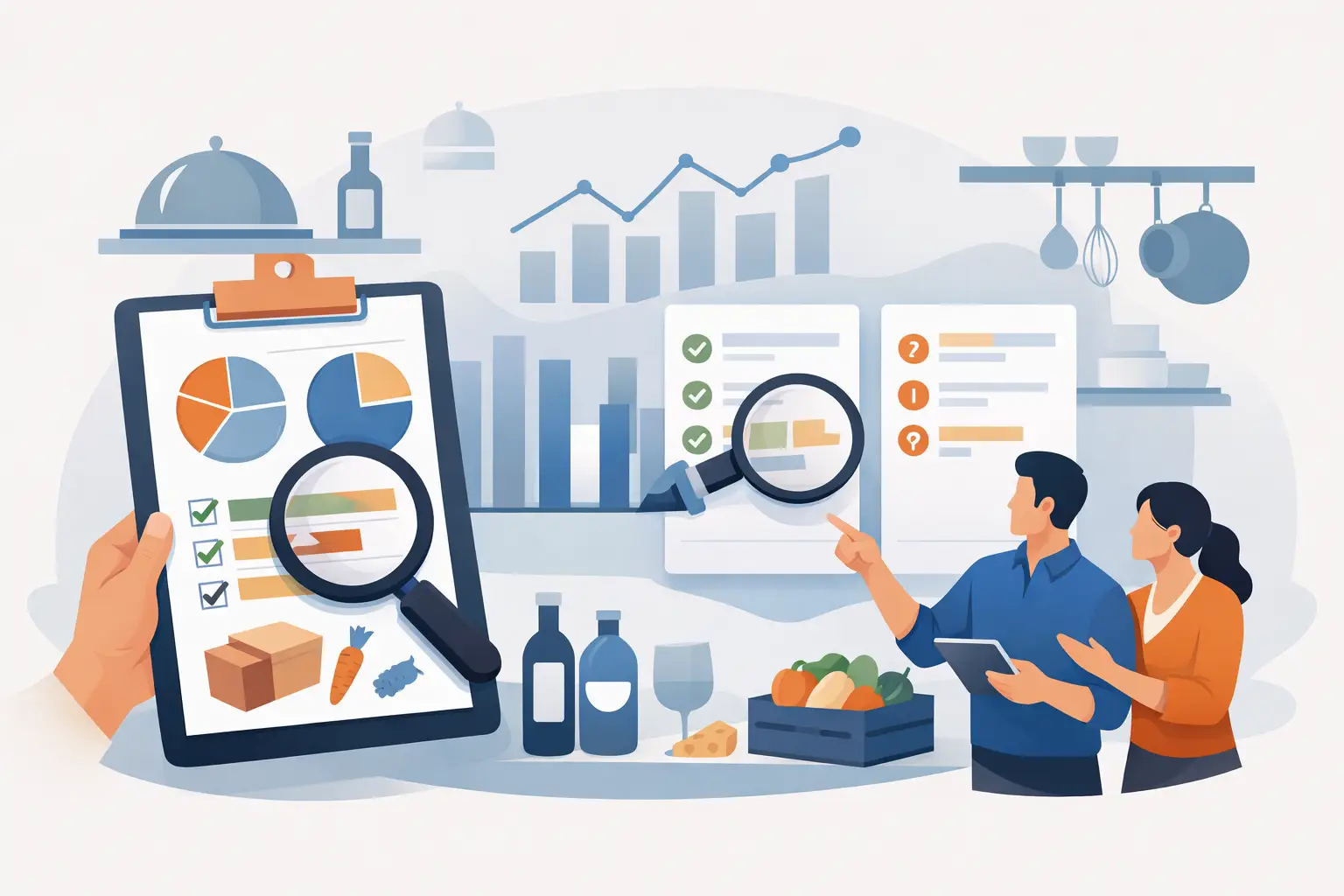
Restaurant Inventory Comparison That Finds Gaps
Comparing inventory software by feature list is not enough. Learn the four connected comparisons that actually matter — counted stock against par, supplier cost changes, recipe cost against menu price, and location-to-location performance.
September 19, 2026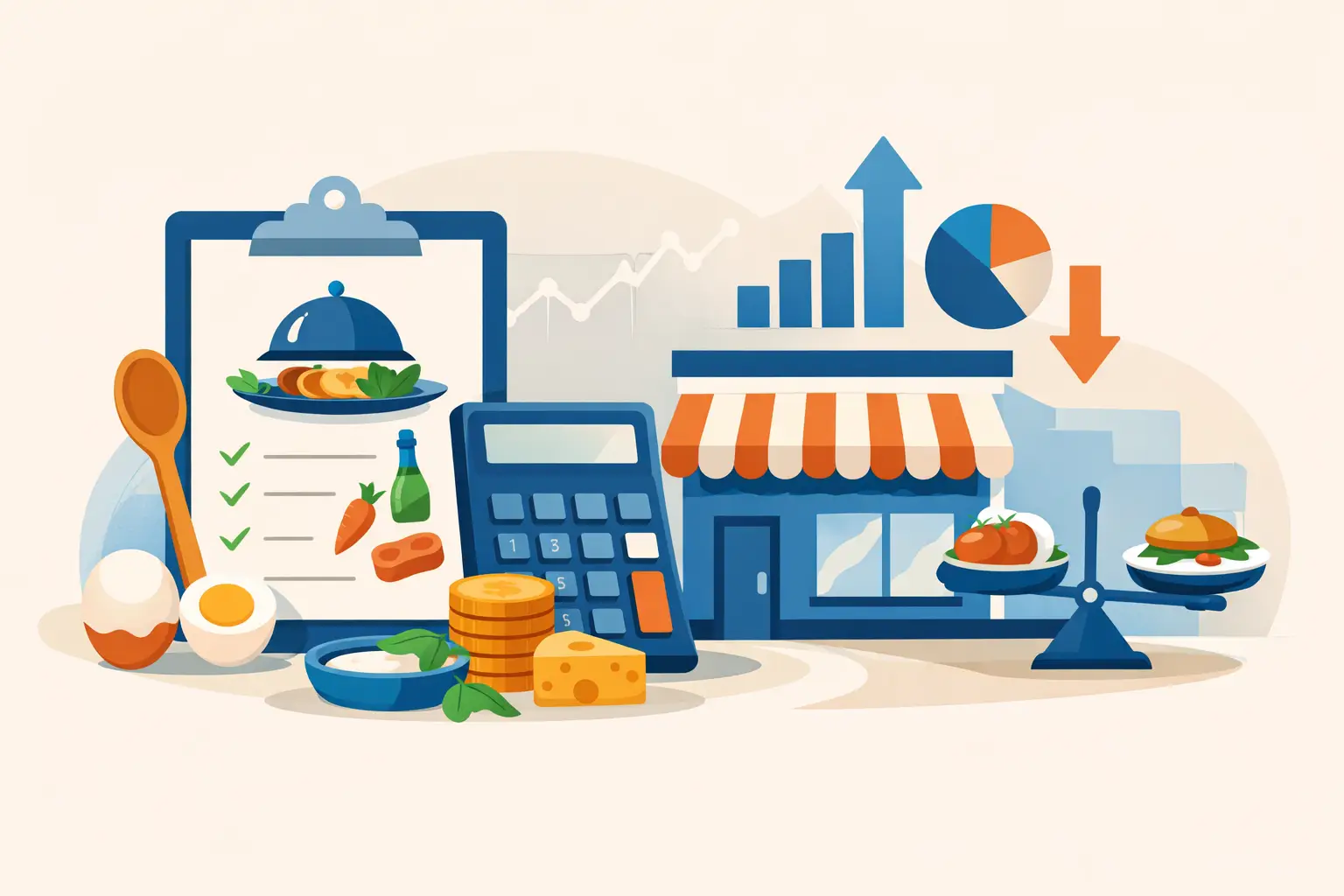
A Recipe Costing Example: From Ingredient Cost to Menu Price
Follow a practical recipe costing example to calculate plate cost, set a defensible menu price, and keep margins protected as supplier prices change often.
September 19, 2026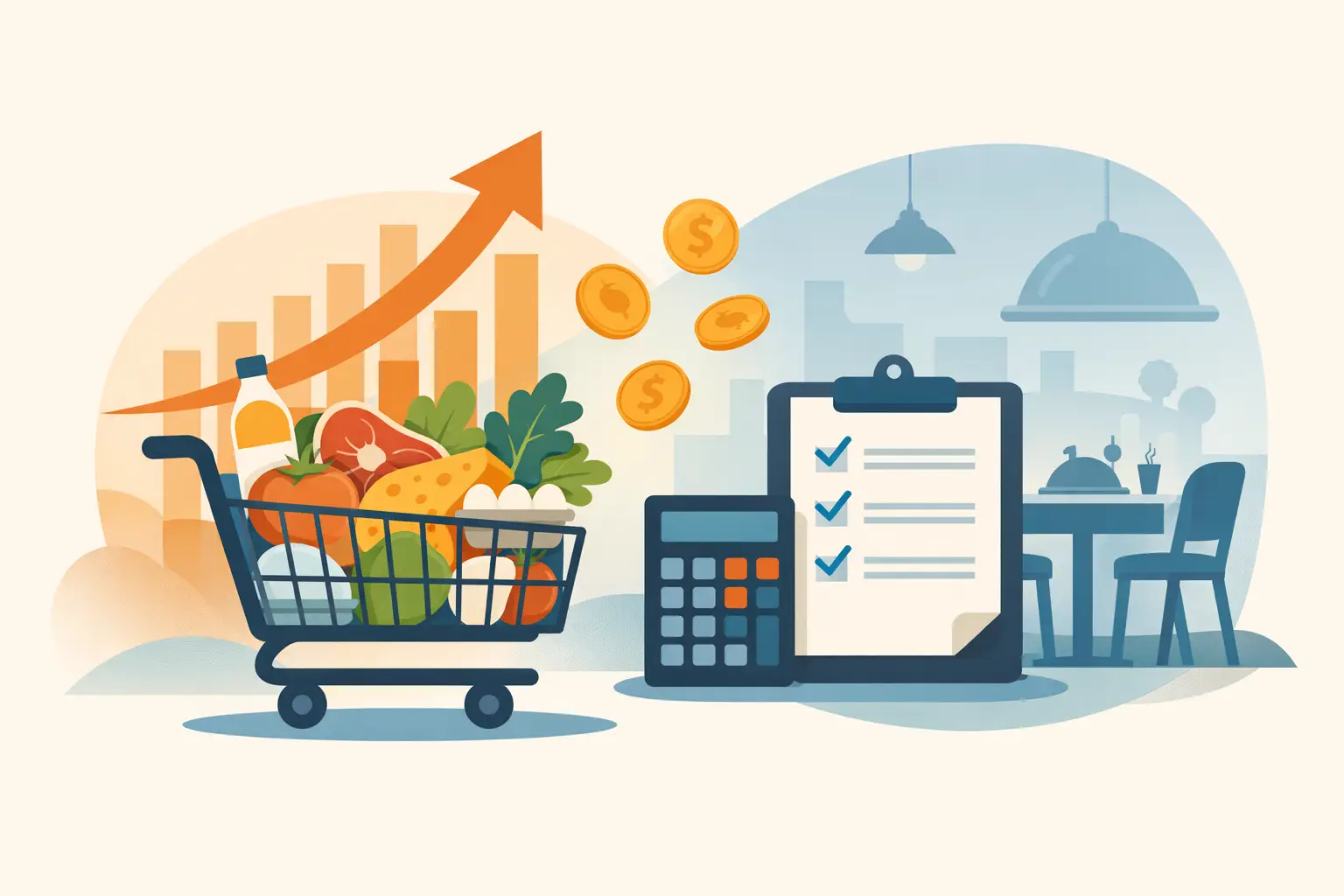
The Restaurant Systems Check: 4 Tests Before Your Next Price Spike
A 4-part systems check across recipe costing, inventory counts, cost exposure, and multi-location rollout: see whether your restaurant would catch a price spike same-day or find out at month-end.
September 19, 2026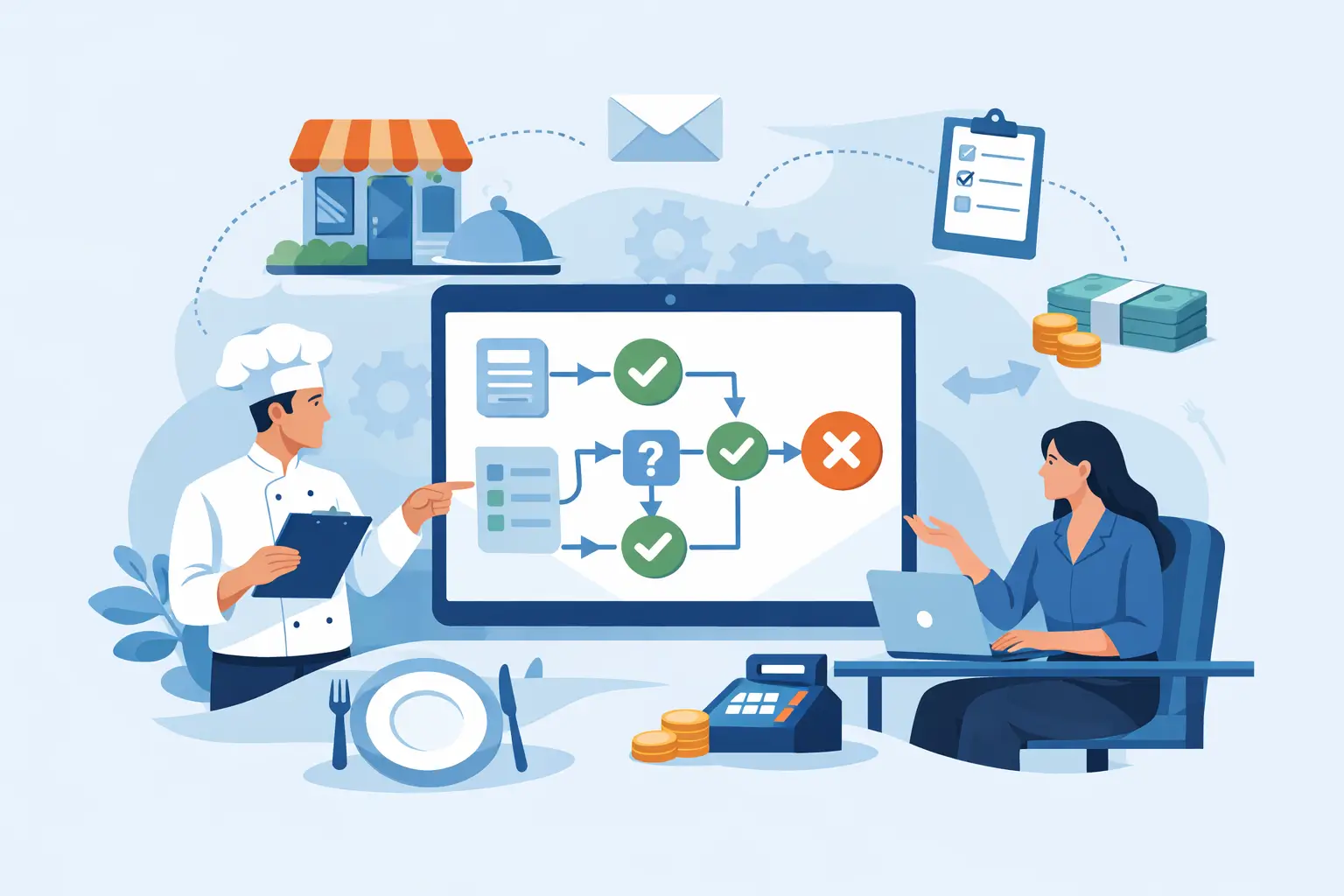
Restaurant Approval Workflow Guide for Control
A missing approval can mean an unreviewed count or an inflated recipe cost. Learn how to build a restaurant approval workflow around clear decisions instead of a rubber-stamp queue.
September 19, 2026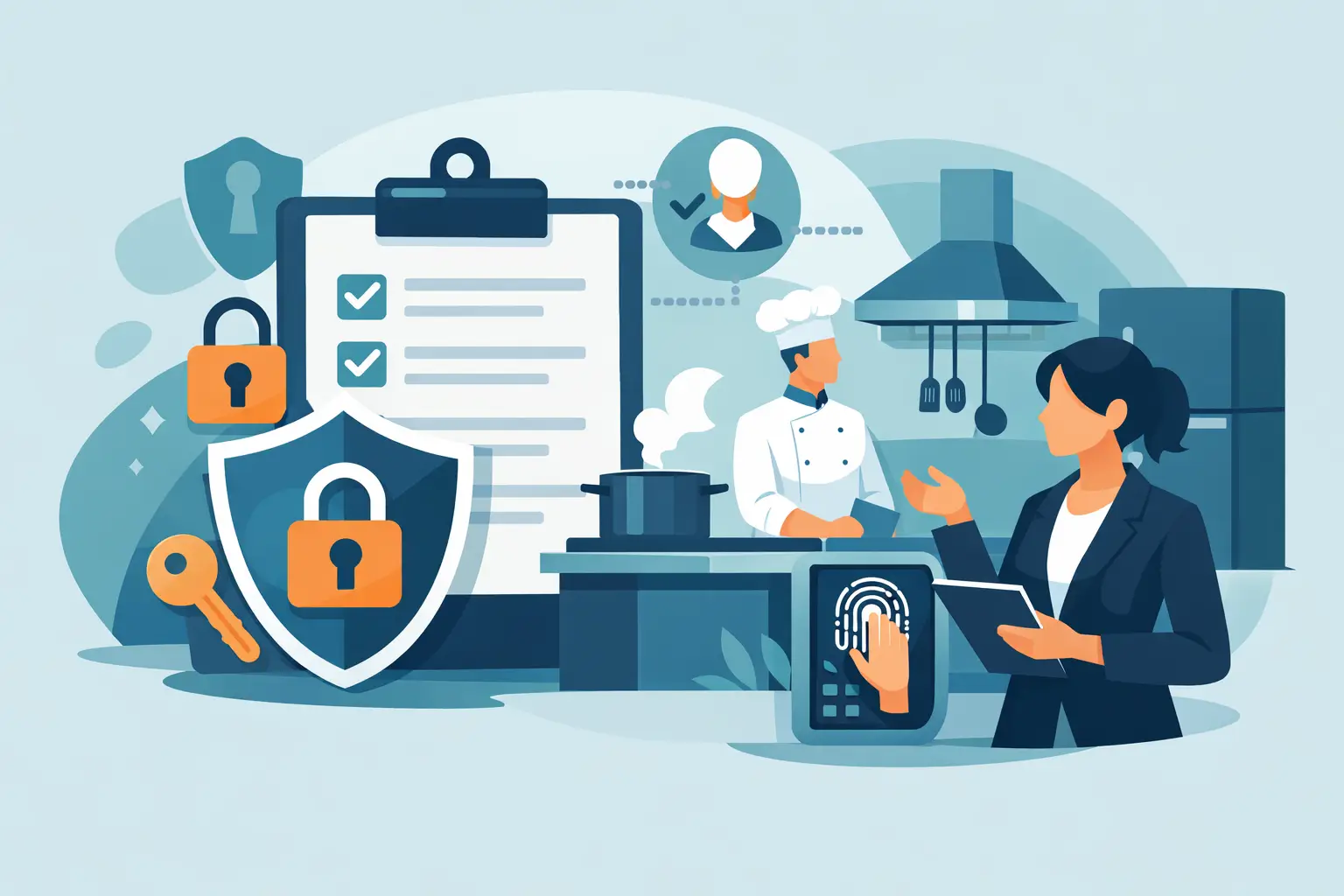
Kitchen Access Permissions That Protect Control
A line cook needs the recipe, not necessarily its cost. Learn how to build kitchen access permissions around decisions instead of job titles, and protect signature recipes without blocking execution.
September 19, 2026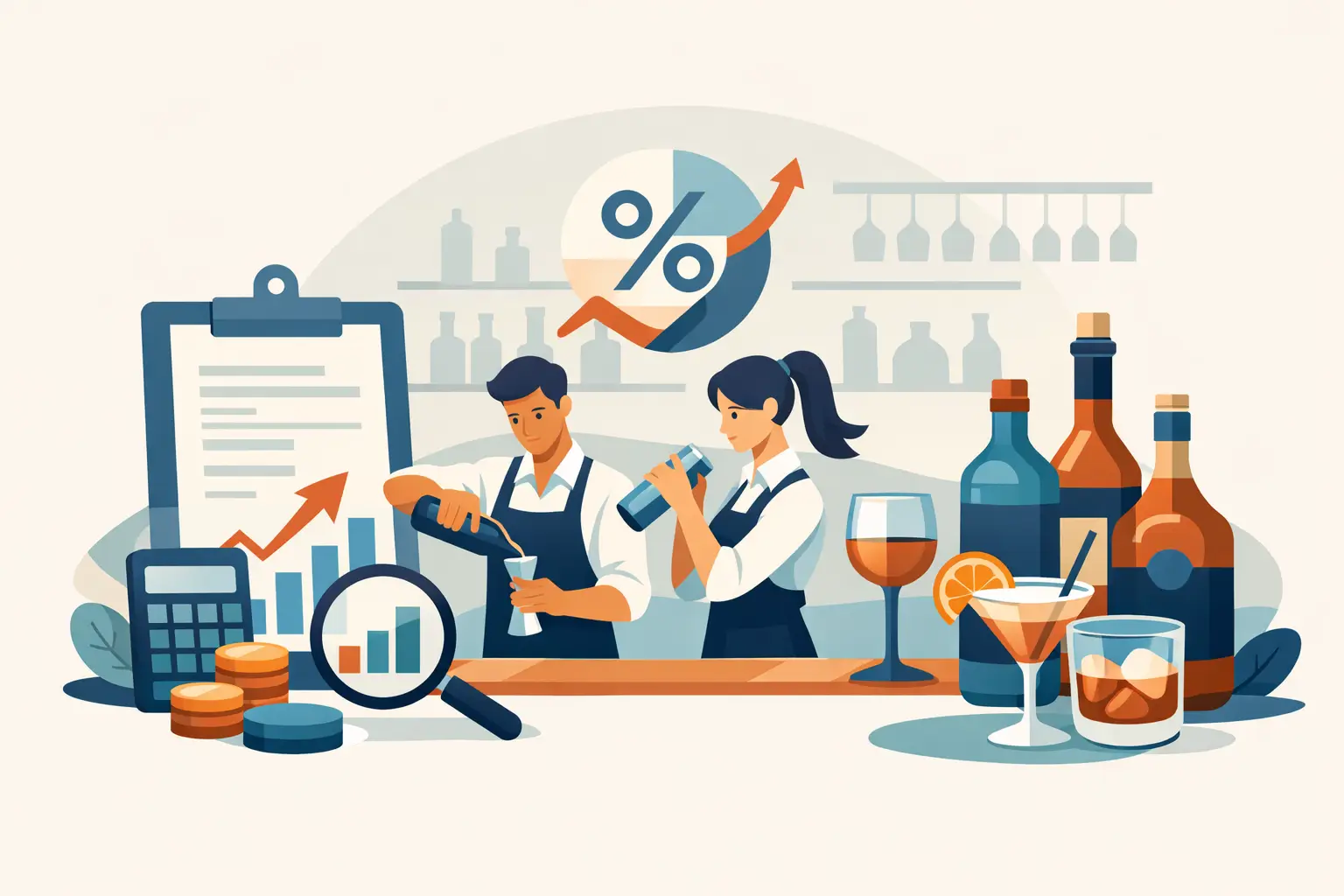
Liquor Cost Control for Bars: Pour Cost Guide
A bar can ring up strong sales and still lose margin nobody notices until month-end. Learn the pour cost formula, why liquor cost is harder to control than food cost, and how to calculate actual liquor COGS instead of just a recipe's theoretical cost.
September 19, 2026
Weighted Average Cost vs. Latest Price
Multiplying units on hand by your most recent purchase price is the most common inventory-valuation mistake. Learn the weighted-average method that actually matches what's on your shelf, with worked numbers.
September 19, 2026
The Math Behind Your Restaurant's Inventory Value
Purchase records alone don't tell you what's left, and a physical count alone doesn't tell you what it's worth. Here's the exact math for combining both into a real inventory value, worked step by step.
September 19, 2026
How to Read a Restaurant Inventory Value Trend
A rising inventory value isn't automatically good news, and a falling one isn't automatically bad. Learn what to check before drawing a conclusion from your inventory value trend.
September 19, 2026
Restaurant Month-End Inventory Close, Step by Step
A step-by-step walkthrough of closing an inventory period cleanly: locking the count, reconciling gaps against purchase records, and pulling every input your COGS formula needs before calling the period final.
September 19, 2026
How to Record Ingredient Deliveries at Receiving
A short receiving routine and the seven fields every delivery record needs, including how to handle freight and landed cost, so shorts, price changes, and count gaps can be traced back to a cause.
September 19, 2026How to Reduce Food Waste in Your Restaurant
US restaurants waste 4–10% of purchased food — on $500K in purchases that is up to $50K gone per year. Here are 7 practical tactics any restaurant can start this week.
September 13, 2026Menu Engineering 101: How to Design a Menu That Maximizes Restaurant Profit
Menu engineering uses contribution margin and sales mix data to push high-profit items. Learn the four-quadrant Stars/Plowhorses/Puzzles/Dogs framework and how to apply it.
September 13, 2026Why Every Restaurant Needs Standardized Recipes
Standardized recipes lock in food cost, enable staff training, and make accurate menu pricing possible. Here is why most independent restaurants skip them — and pay for it.
September 13, 2026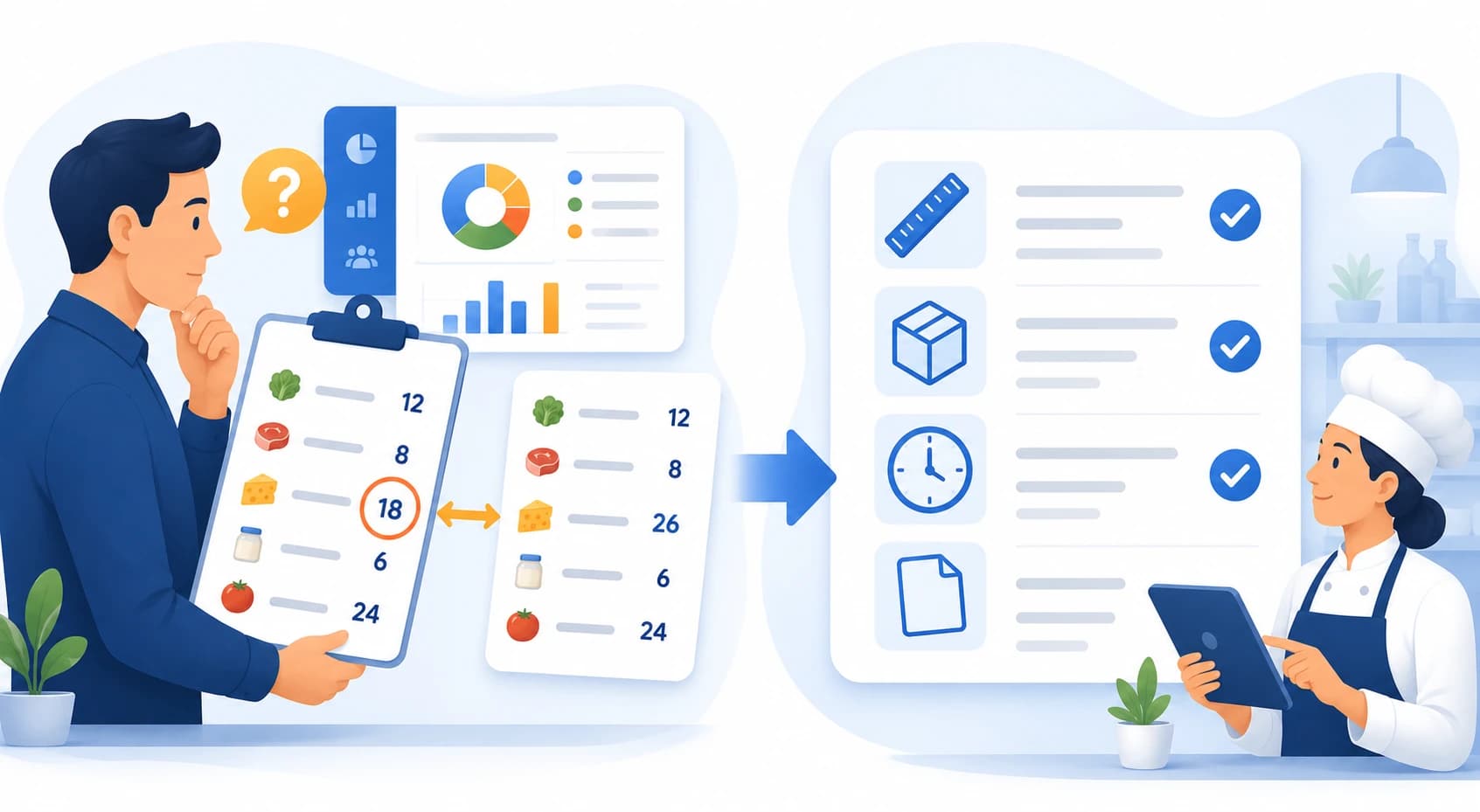
Why Restaurant Inventory Counts Get Sent Back
Counts get questioned for the same handful of structural reasons: inconsistent units, unclear item boundaries, bad timing, and no baseline to compare against. Here's how to fix the process, not the person.
September 13, 2026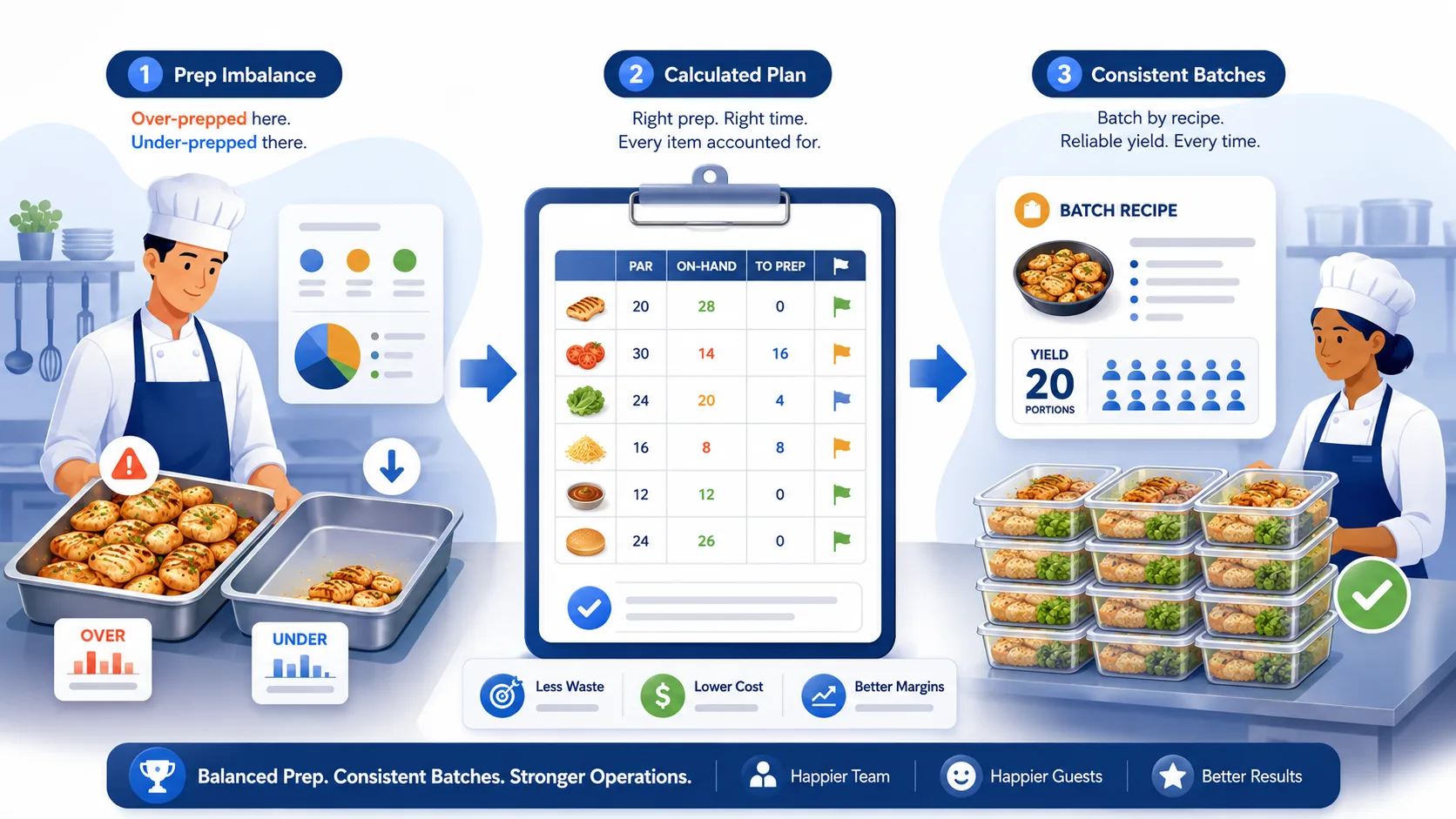
Best Kitchen Prep Templates
A task-only prep list leads to over-prep and under-prep in the same week. Learn the five elements a working prep template needs, how par level maps to a Min/Max reorder range, and what's automatic versus a manual calculation.
September 13, 2026Restaurant Multi-Location Roles & Permissions Guide
A global role breaks the moment a business has more than one location. A guide connecting shared-login accountability, decision-based permissions, per-location access, the district manager role, and centralized vs. store-level control.
September 13, 2026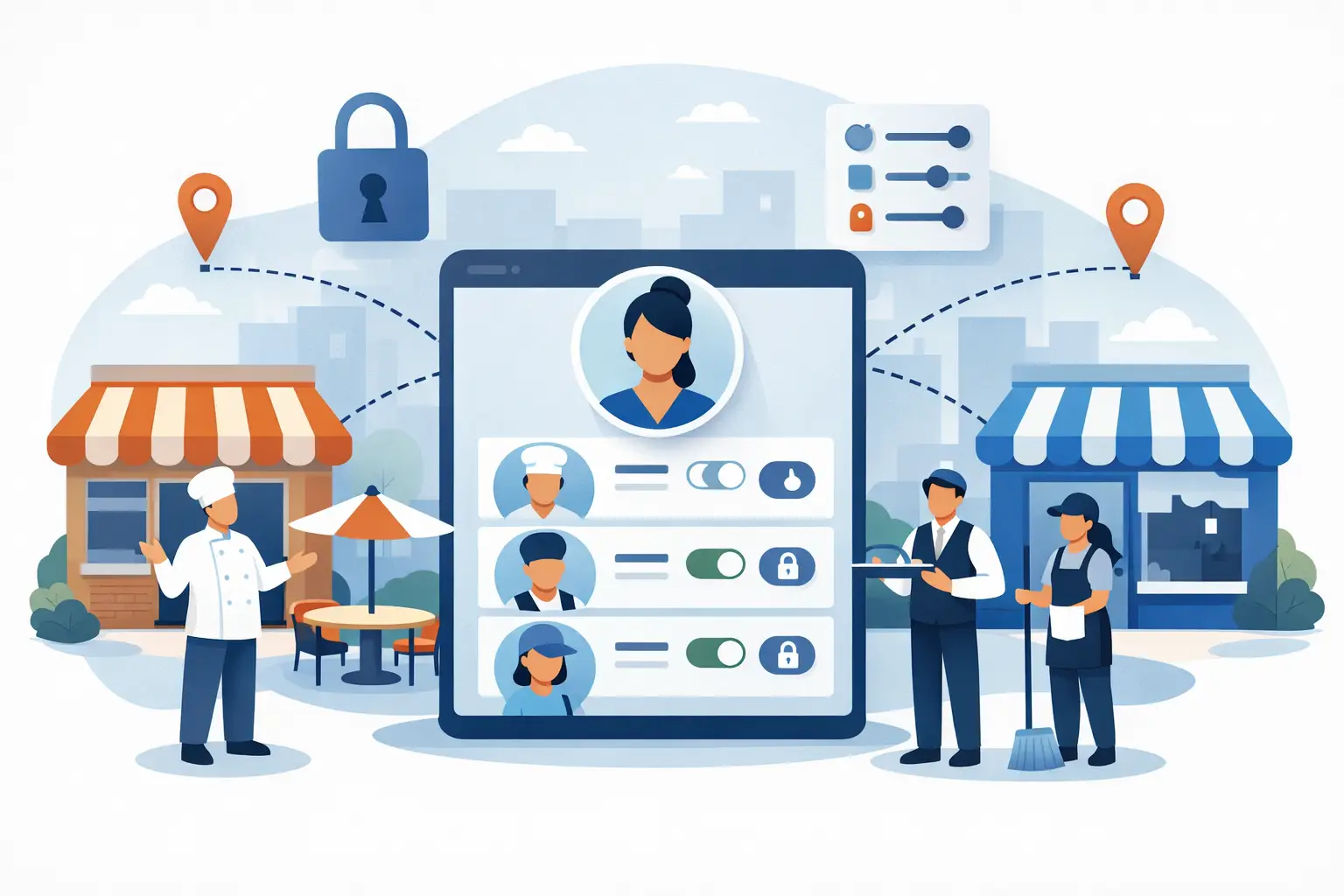
How to Give the Same Employee Different Access at Different Restaurant Locations
Covering a shift at a second location shouldn't mean full manager access everywhere or a second login. Learn how to scope restaurant staff permissions to the person-and-location pair instead of the person alone.
September 13, 2026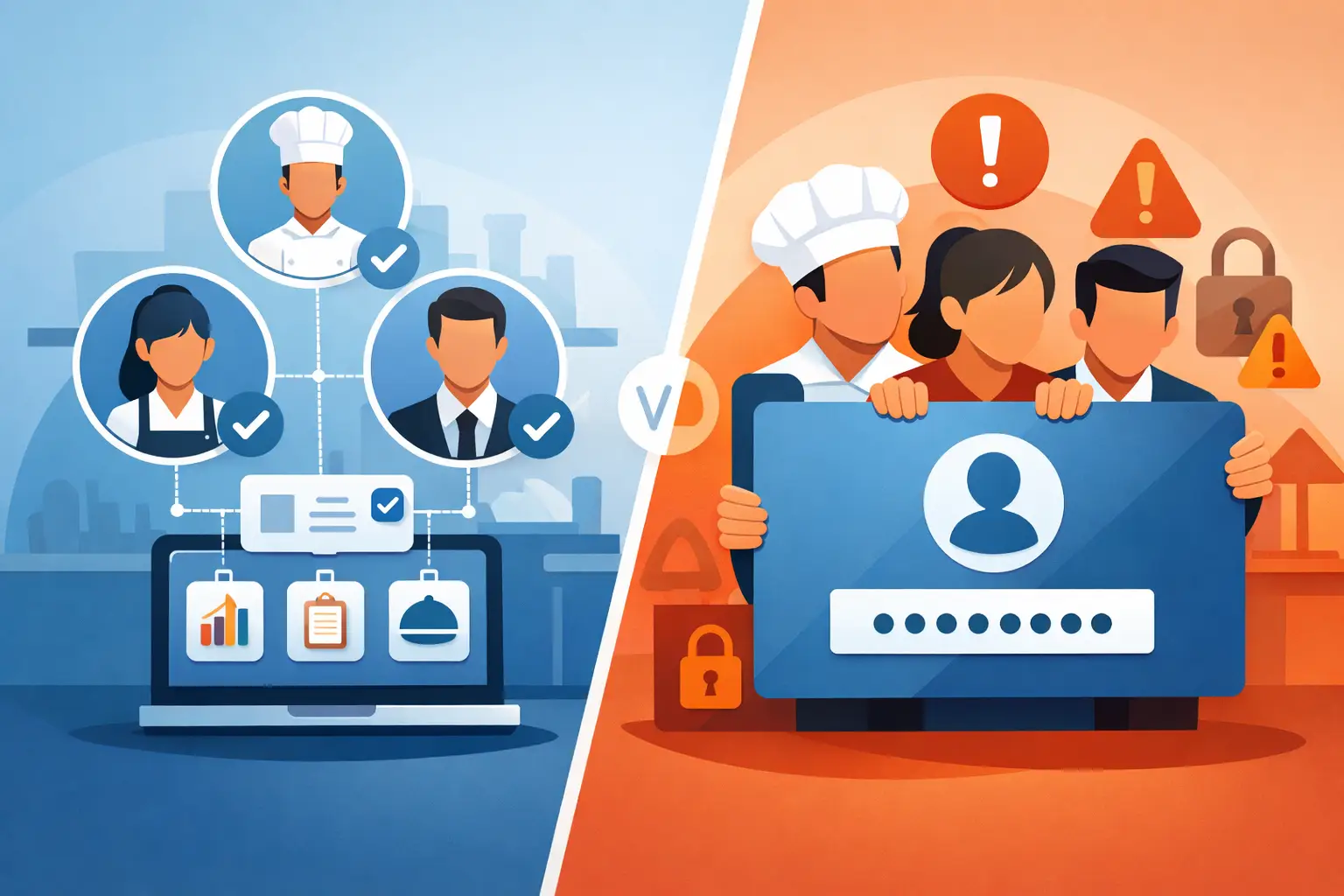
Restaurant Permissions vs. Shared Logins
A shared login turns every action into a guess about who did it. Learn why restaurant permissions built around individual accounts and decisions — not job titles — replace that guesswork with real accountability.
September 13, 2026
How to Set Up a District Manager Role Across Multiple Restaurant Locations
District manager access looks different at every restaurant group, so Dinezy doesn't lock it to one preset. Learn how to build the role from a custom role plus per-store access — and what it honestly doesn't give you.
September 13, 2026
Centralized vs Store Level Operations Compared
Which decisions belong at headquarters, and which need to stay with the team on the floor? A four-question framework for centralizing standards without turning judgment into a bottleneck.
September 13, 2026
Coffee Shop Inventory Management
Coffee shop inventory management: the 5 categories to track, how to set par levels and reorder points, and how to catch over-pouring early.
September 13, 2026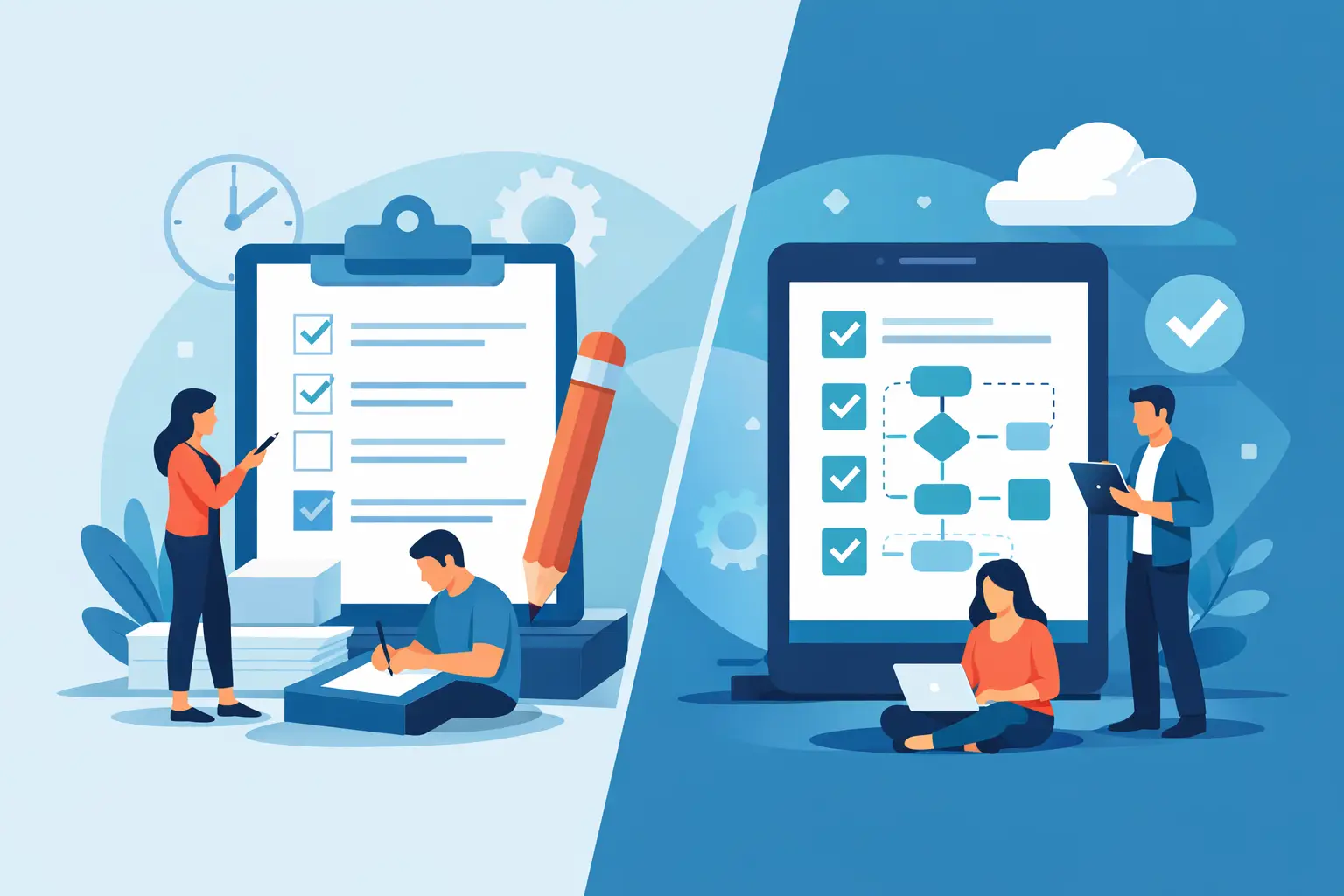
Paper Checklists vs Digital Procedures Compared
Paper checklists vs digital procedures for restaurants: why a signature doesn't prove work got done, and how Checklist and Bulletin Board do.
September 13, 2026Restaurant Inventory Valuation Guide
Inventory valuation is a chain, not one formula: clean purchase records, FIFO consumption order, weighted-average pricing, and count reconciliation. A step-by-step guide linking to a full walkthrough for each link.
September 13, 2026
When an Inventory Count Doesn't Match Purchases
A stock count can be fully accurate and still leave you unable to price part of it. Learn how Dinezy flags the gap between counted quantity and purchase records instead of guessing at a cost, and how to resolve it.
September 13, 2026
How to Clean Up Your Restaurant Purchase Records
Every food-cost formula breaks down if the purchase records underneath it are a mess. A practical checklist for cleaning up inconsistent item names, units, and supplier data before you trust the numbers.
September 13, 2026
Comparing Suppliers for the Same Ingredient
Most restaurants pick a supplier once and never check the math again. Here's how to actually compare two suppliers for the same ingredient using your own purchase data, not guesswork.
September 13, 2026
Which Ingredients Tie Up Your Inventory Cash
Total inventory value hides an important detail: it's rarely spread evenly. Learn how to find which ingredients are quietly concentrating your restaurant's inventory value, and why that changes how you should manage them.
September 13, 20267 Ways Coffee Shops Can Reduce Waste and Boost Profit
A barista who dumps 2 oz of steamed milk per drink across 200 drinks a day wastes over $5,400 in milk per year. Here are 7 tactics to cut cafe waste and recover that profit.
September 10, 2026Restaurant Team Structure for Independent Restaurants: Stop Managing Feelings, Start Managing Systems
When every task feels like asking a favor, the problem is missing structure — not a bad team. Learn the four structural gaps that create this dynamic and how to fix them with checklists and role clarity.
September 10, 2026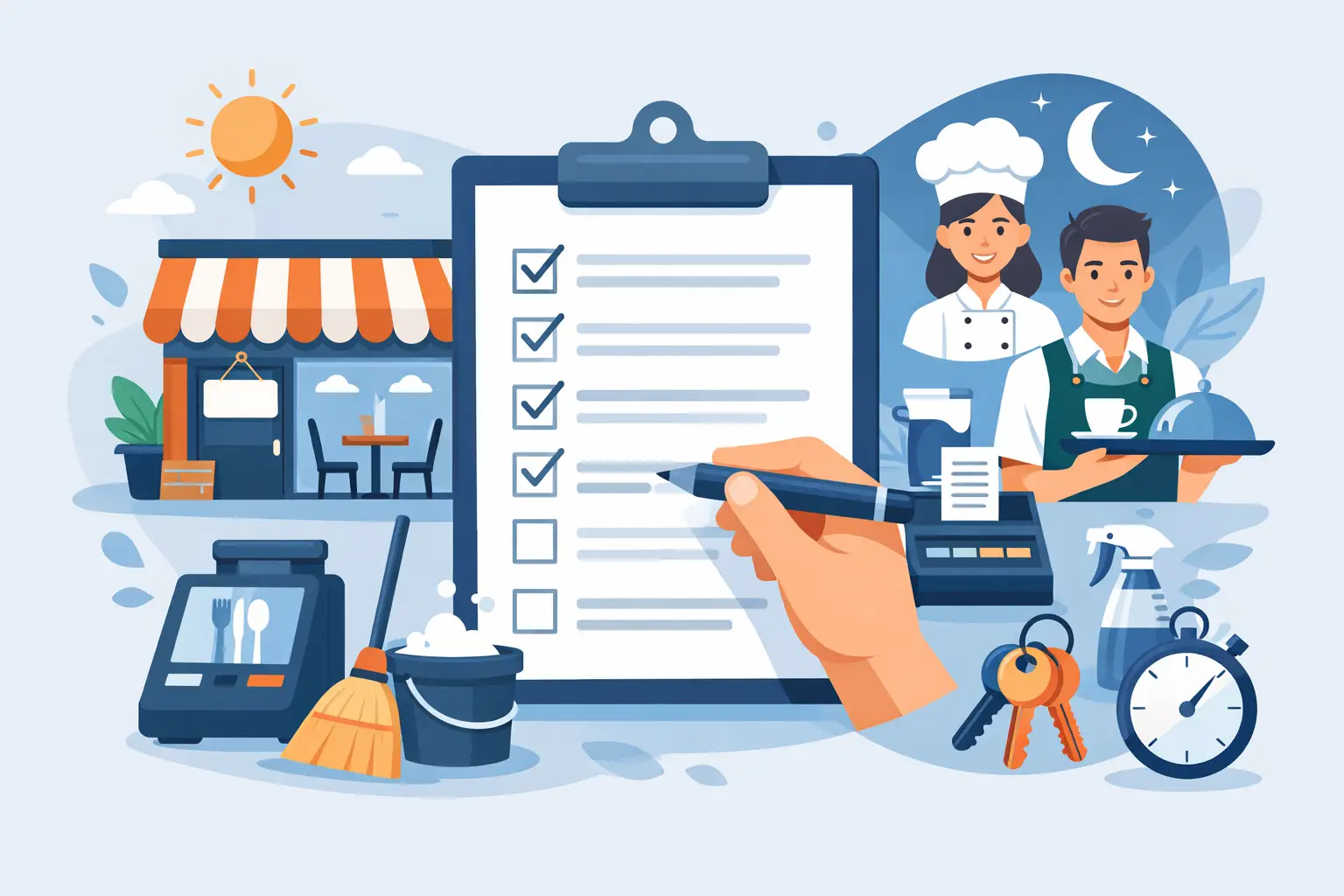
Restaurant Opening Closing Checklist App
Paper checklists document a routine but rarely prove it was completed correctly. Learn how to build opening and closing checklists around real failure points, and what features actually support accountability instead of digitizing paperwork.
September 10, 2026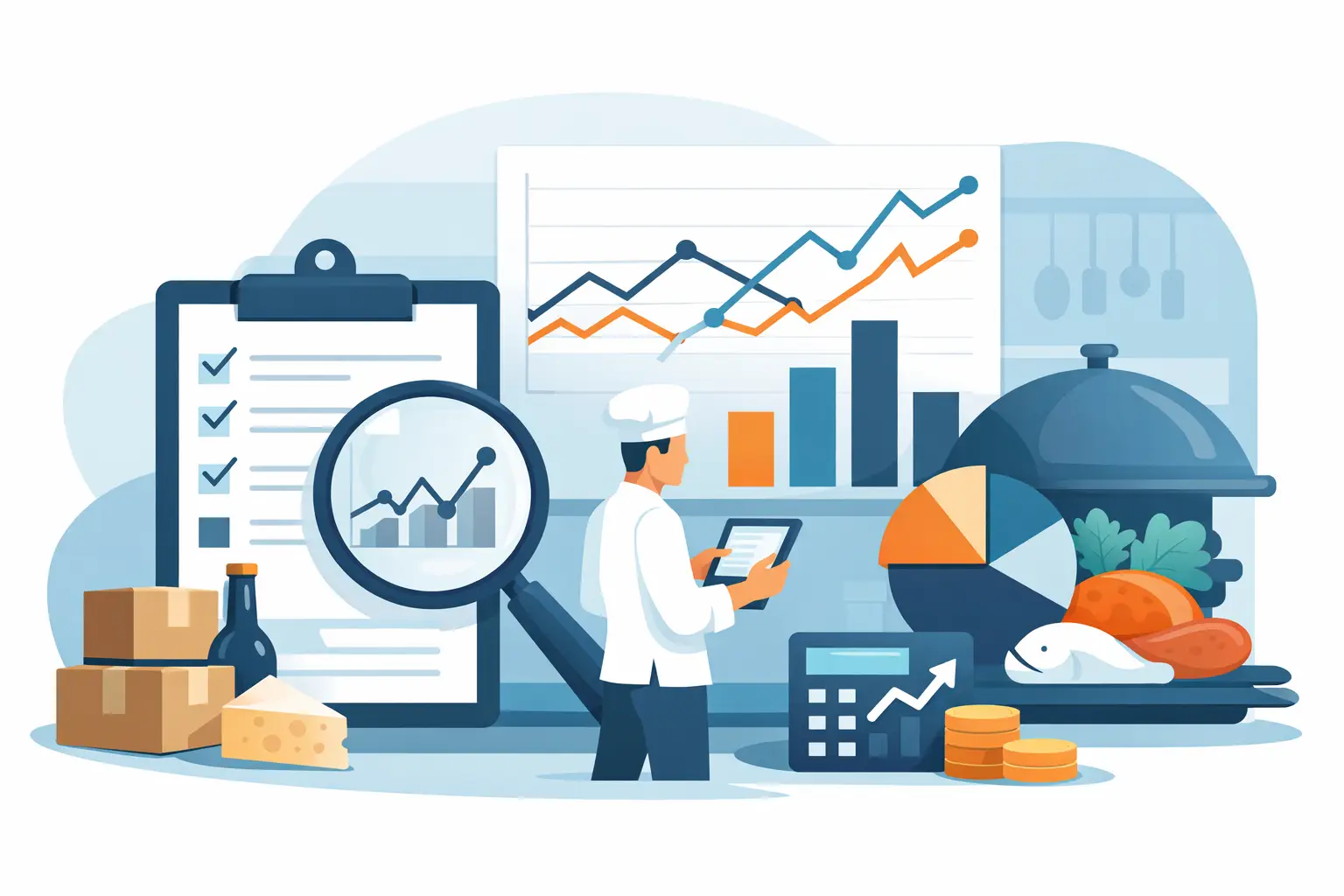
Restaurant Inventory Variance Analysis Explained
A missing case of chicken is a question, not an insight. Learn how to calculate inventory variance, separate quantity variance from cost variance, and use a five-step review to find the operating cause before it becomes recurring margin loss.
September 10, 2026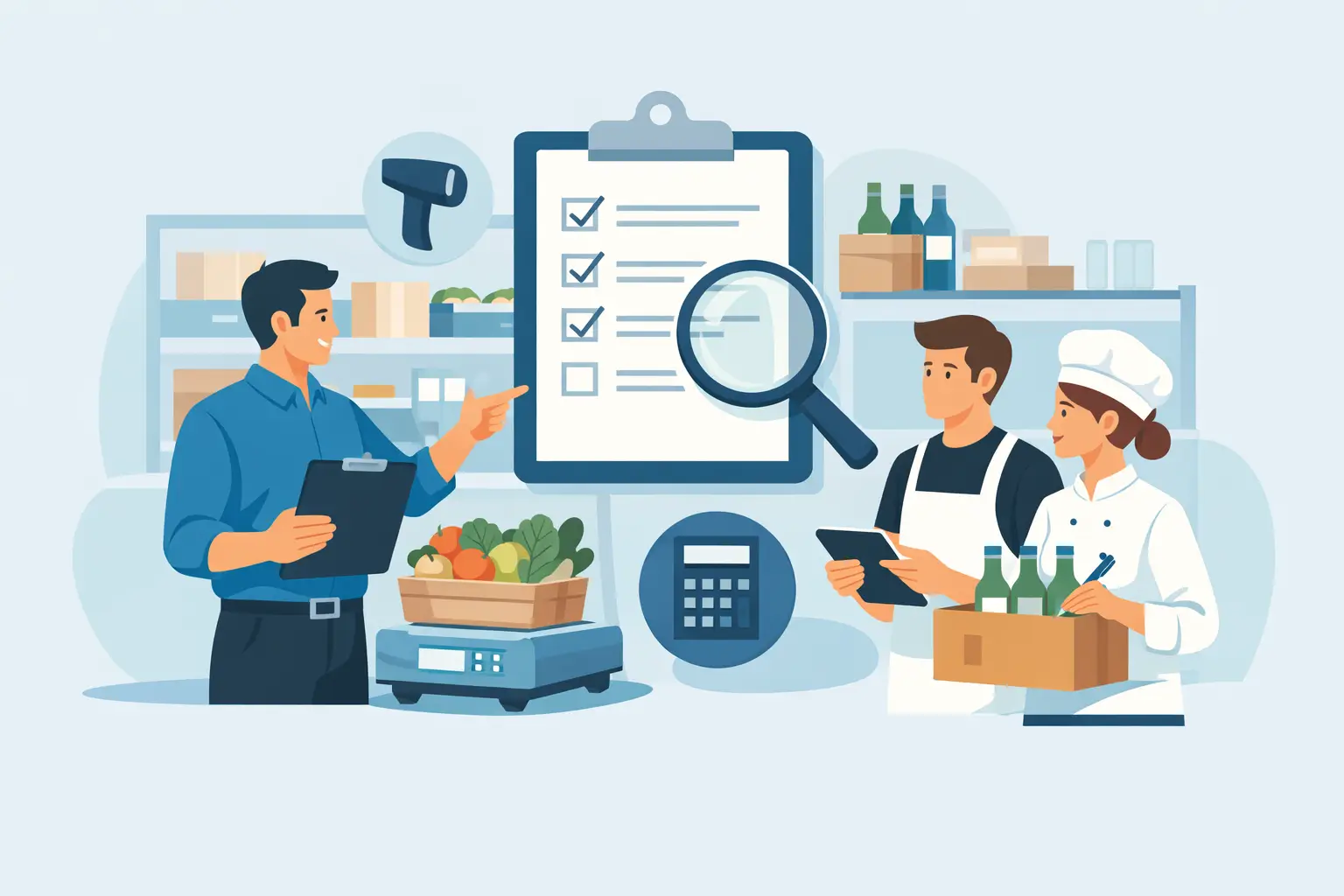
How to Train Restaurant Staff on Inventory Counts
A new hire's first count is usually wrong because nobody taught them how, not because they didn't care. Learn the training sequence that works, plus how barcode scanning narrows a new hire's judgment call down to just the quantity.
September 10, 2026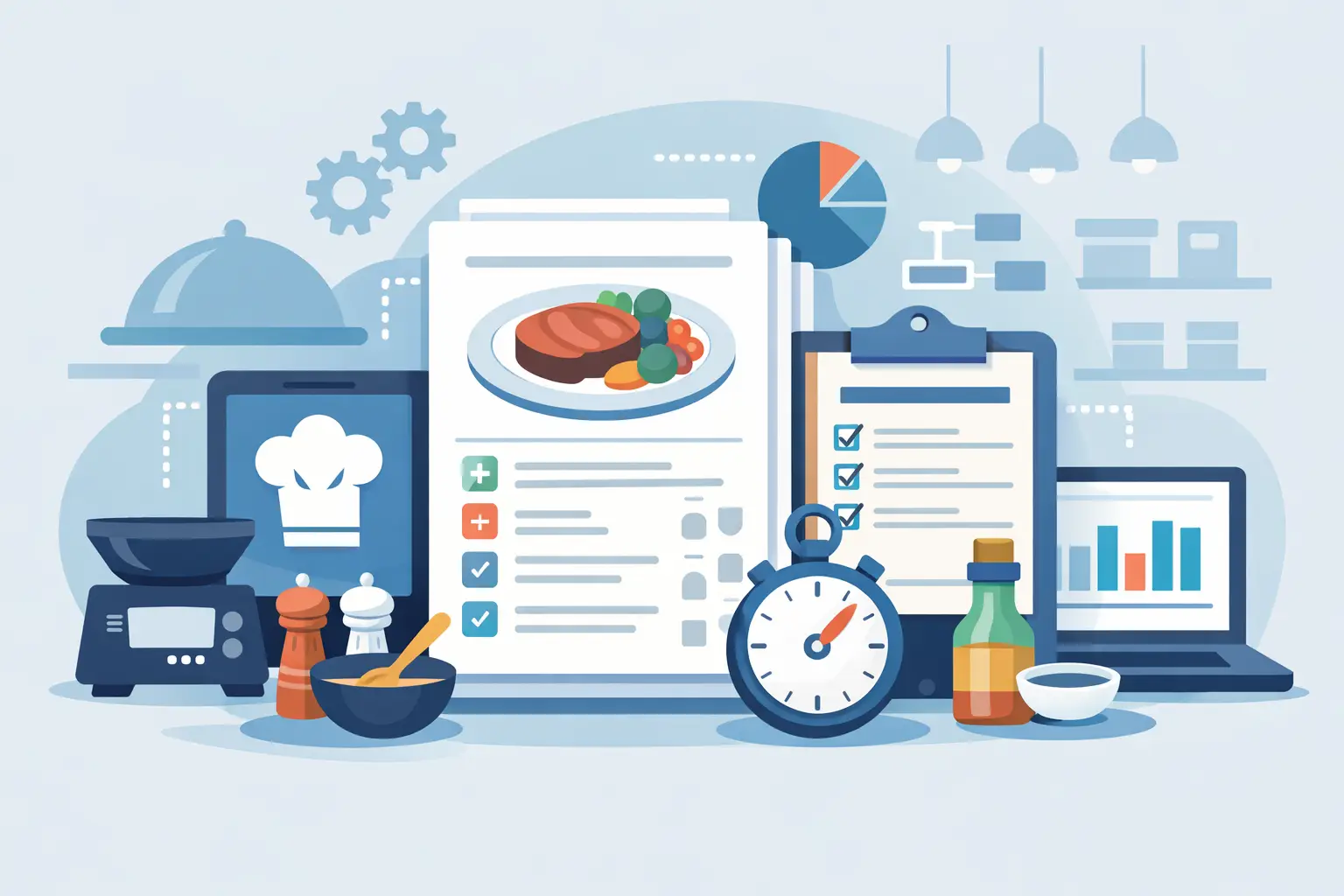
7 Best Restaurant Recipe Card Tools for Control
A recipe card that isn't connected to costs, yield, and inventory is documentation, not control. Learn the seven categories of restaurant recipe card tools, what each one is actually good for, and how to test a platform before committing to it.
September 10, 2026
How to Approve Restaurant Inventory Counts
A guide to reviewing and approving restaurant inventory counts: what to check, when to reject, and how approved counts drive purchasing and cost decisions.
September 10, 2026
How to Reduce Recipe Portioning Errors Fast
Learn how to reduce recipe portioning errors with measurable standards, batch yield control, and verification checks that protect restaurant margins.
September 10, 2026
Restaurant Inventory Software vs. POS Tools
POS-bundled inventory relies on sales-triggered depletion, which drifts from reality against portioning, comps, waste, and staff meals. Learn how dedicated, count-based inventory software differs, and when it's worth the switch.
September 10, 2026
How to Set Restaurant Inventory Par Levels
How to set restaurant inventory par levels: a formula built on lead time and safety stock, plus how pars map to Dinezy's Min/Max settings.
August 15, 2026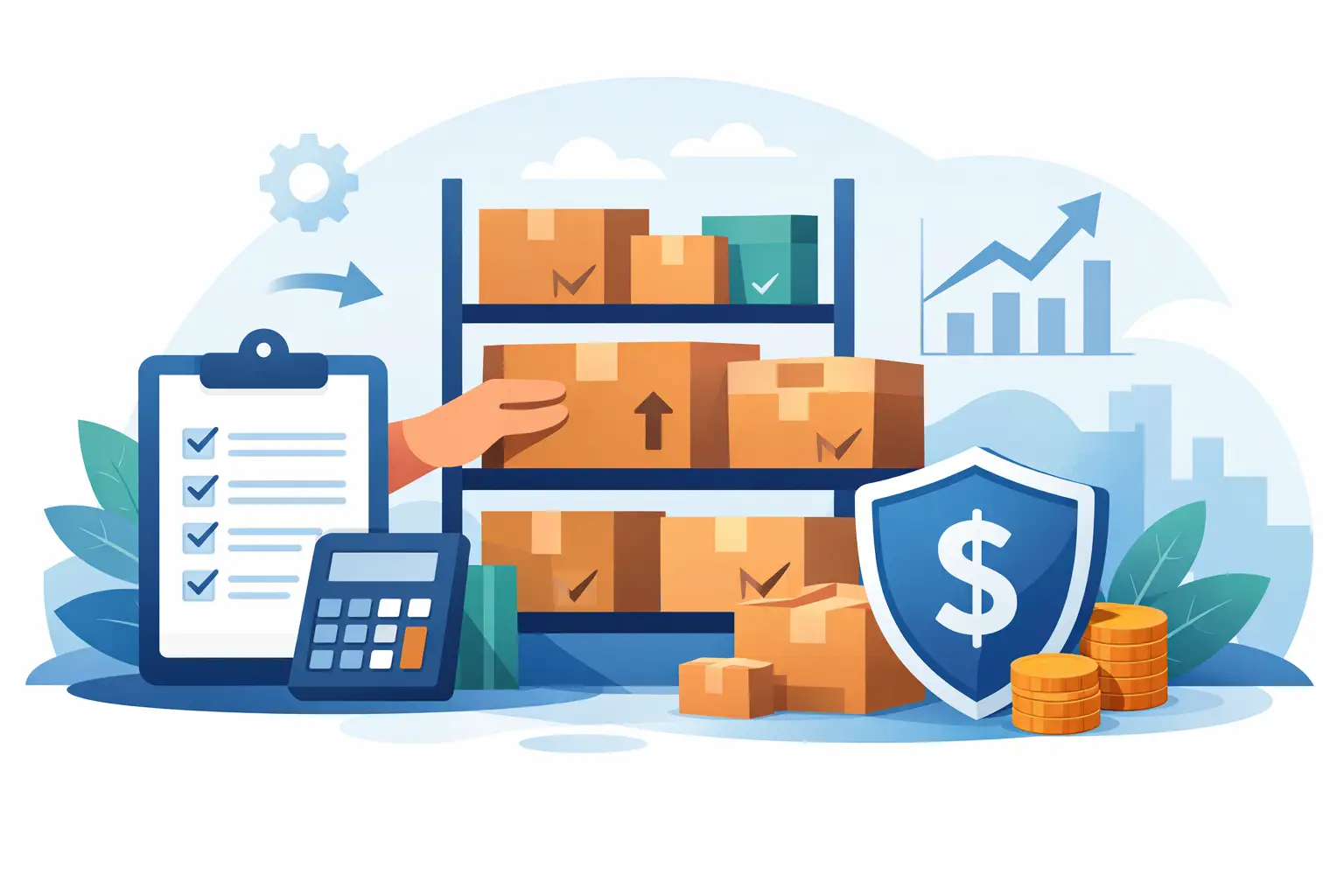
How to Build Reorder Lists That Protect Margins
A reorder list turns a stock count into a purchasing decision. Learn how to set par levels, calculate suggested order quantities, and build an approval step before the order goes out.
August 9, 2026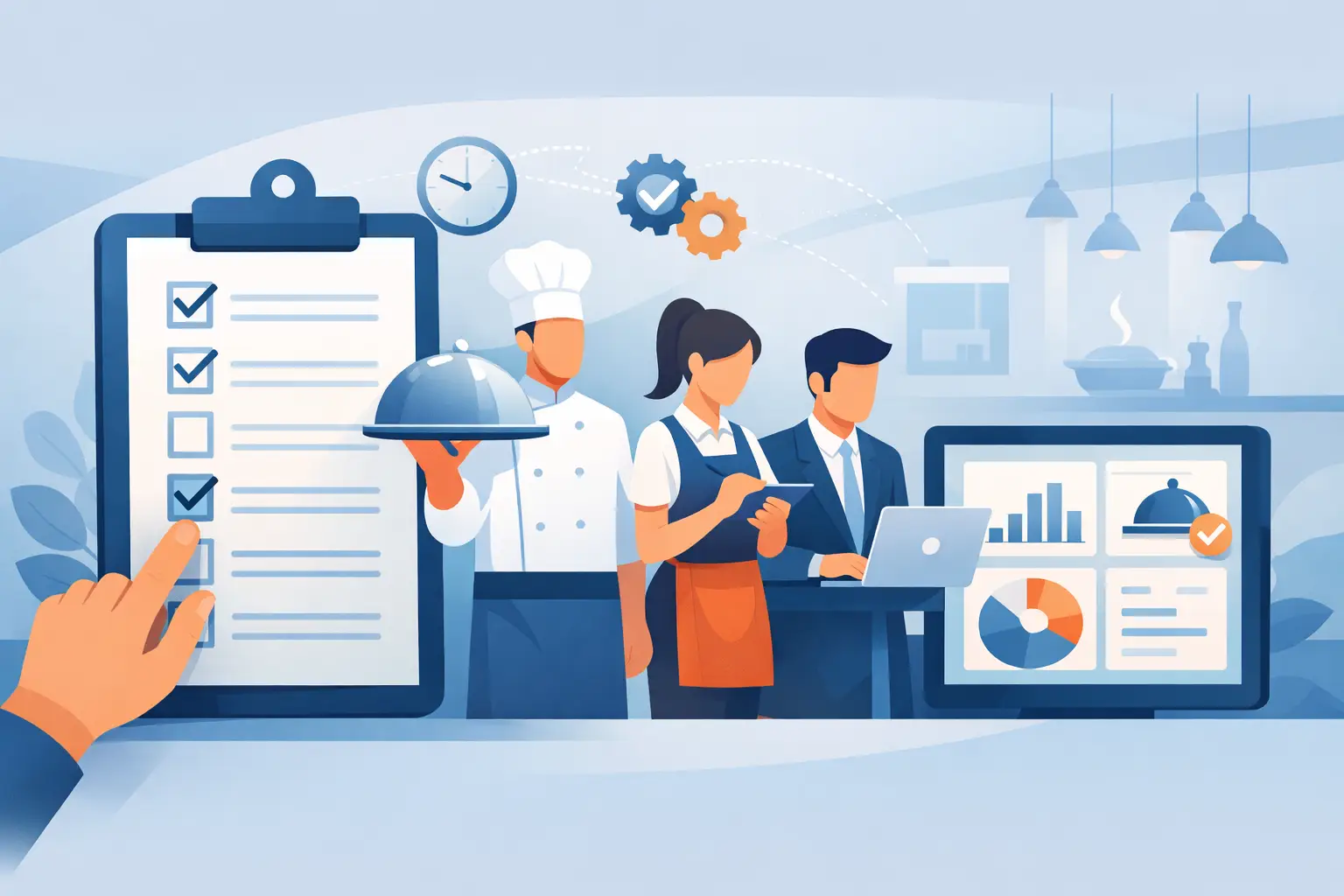
Restaurant SOP Checklist Software That Holds Up
A closing checklist under a register is not an operating system. Learn what restaurant SOP checklist software must fix, how to build checklists around real failure points, and how location-level response data replaces group-chat guessing.
July 20, 2026